
Is Chocolate Whole Milk Halal?
The short answer is: MAYBE. While a carton of Chocolate Whole Milk looks harmless, a single ambiguous ingredient can change the halal status. The primary concern isn't the chocolate or the dairy—it's the **lactase enzyme** added to break down lactose. This article investigates the specific ingredients in your chocolate milk to help you make an informed decision.
The Ingredient Breakdown
When determining if a processed food like Chocolate Whole Milk is halal, we have to look beyond the obvious. The base ingredients—Milk, nonfat milk, and sugar—are universally halal. However, the processing aids and flavorings require a closer look.
The first flag in this specific ingredient list is the lactase enzyme. Lactase is naturally produced in the human gut, but the industrial version used in food production is often derived from yeast or fungi. While microbial fermentation is generally acceptable, some manufacturers use yeast strains that are grown on alcohol-based mediums. If the final product contains trace alcohol or if the enzyme source is questionable, the product cannot be certified halal without further verification.
Next, we look at the cocoa processed with alkali. This process, known as Dutching, is used to mellow the bitterness of cocoa. The 'alkali' used is typically potassium carbonate, which is an inorganic salt and completely halal. There is no risk here. Similarly, carrageenan is a seaweed extract used as a thickener and is perfectly safe for consumption.
Finally, the vanillin (artificial flavor) and vitamin d3 are standard additives. Vitamin D3 is often derived from lanolin (sheep's wool oil) or lichen. While lanolin is a natural substance, strict halal guidelines sometimes scrutinize animal-derived byproducts. However, in the context of a 'maybe' verdict, the lactase enzyme remains the primary suspect requiring manufacturer clarification.
Nutritional Value
Chocolate Whole Milk is a calorie-dense beverage, typically containing around 200 calories per cup. The fat content comes naturally from the whole milk base, providing roughly 8 grams of fat, including saturated fats. While delicious, it is not a 'low-fat' option.
The sugar content is the most significant nutritional concern. Between the added sugar and the natural lactose in milk, a single serving can contain 20-25 grams of sugar. This fits into a diet only if consumed in strict moderation. For those monitoring blood sugar or caloric intake, this beverage should be treated as a dessert rather than a daily staple.
Frequently Asked Questions
Does Chocolate Whole Milk contain dairy or gluten?
Is Chocolate Whole Milk good for weight loss?
Where can I buy Chocolate Whole Milk?
Is Chocolate Whole Milk safe for kids?


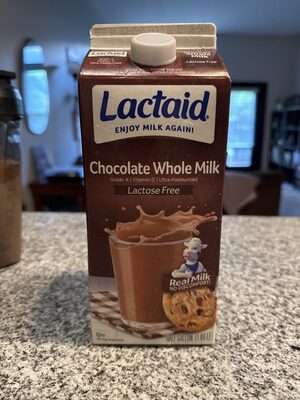
Chocolate Whole Milk
Halal Analysis
We recommend searching for certified Halal alternatives.
Pro Tip
Always double-check the label. Manufacturers change ingredients frequently without notice!