
Is Chocolatey coated & ice cream loaded bars Halal?
The direct answer is: MAYBE. While this product appears to be free of obvious Haram ingredients like pork derivatives or alcohol, there is a significant gray area. The presence of 'natural flavor' makes it impossible to guarantee 100% Halal compliance without manufacturer confirmation.
The Ingredient Breakdown
When investigating whether a processed frozen treat is Halal, we must look beyond the main components and scrutinize the additives. The ingredients list for these bars is extensive, but most items are generally considered safe. However, there is one specific red flag that requires attention.
The primary ingredients are standard dairy products: Nonfat milk, cream, and whey. These are all Halal, provided the animal was slaughtered according to Islamic law, which is standard practice for dairy cows in the US. The fats used are plant-based: coconut oil and soybean oil, which are perfectly Halal. The sweeteners, including sugar and corn syrup, are also safe.
The chocolate components, such as chocolate liquor and cocoa butter, are plant-derived and Halal. The stabilizers and emulsifiers used to maintain texture—locust bean gum, guar gum, carrageenan, and mono and diglycerides—are typically plant-based or synthetic, making them permissible. Even the colorings Yellow 5 and Blue 1 are synthetic and Halal.
The major point of concern is Natural Flavor. This is a catch-all term that can hide a variety of sources. While it often refers to plant extracts, it can also be derived from animal sources (such as beaver castoreum, though rare) or fermented using alcohol. Without knowing the specific source of the 'natural flavor' in this product, we cannot confirm it is free from non-Halal elements. Additionally, Vanillin (an artificial flavor) is synthetic and safe, but it is listed alongside the natural flavor, adding to the ambiguity.
Nutritional Value
From a nutritional standpoint, these bars are a high-calorie, high-sugar indulgence. The ingredient list is dominated by sugar, corn syrup, and coconut oil. A single bar likely contains a significant portion of the recommended daily sugar intake.
The fat content is driven by coconut oil and milk fat. While coconut oil is often marketed as a 'healthier' saturated fat, it is still calorie-dense. The protein content comes from the nonfat milk and whey, but it is not significant enough to classify this as a health food. This is a dessert item designed for taste, not nutritional balance. It fits into a diet only as an occasional treat, and consumers watching their sugar or saturated fat intake should be cautious.
Frequently Asked Questions
Does Chocolatey coated & ice cream loaded bars contain dairy or gluten?
Is Chocolatey coated & ice cream loaded bars good for weight loss?
Where can I buy Chocolatey coated & ice cream loaded bars?
Is Chocolatey coated & ice cream loaded bars safe for kids?
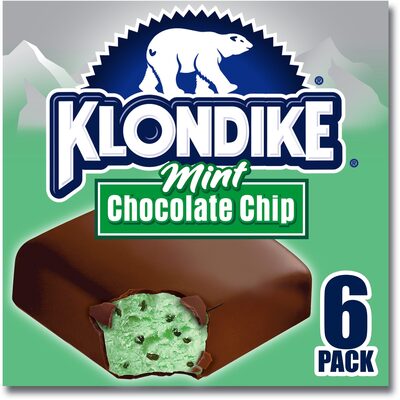
Chocolatey coated & ice cream loaded bars
Halal Analysis
We recommend searching for certified Halal alternatives.
Pro Tip
Always double-check the label. Manufacturers change ingredients frequently without notice!