
Is Ciabatta Gluten Free?
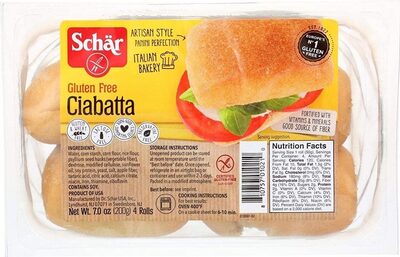
Yes, this specific formulation of Ciabatta is gluten-free. By utilizing a blend of corn and rice flours instead of traditional wheat, it successfully mimics the airy texture of authentic Italian bread without the gluten. Below, we break down the ingredients and nutritional profile to determine if this loaf is a healthy choice for your pantry.
The Ingredient Breakdown
When analyzing whether a bread is safe for those with Celiac disease or gluten intolerance, we look for the absence of wheat, barley, and rye. In this specific Ciabatta, the manufacturer has completely omitted these grains. Instead, the structure and chewiness are achieved through a sophisticated blend of corn starch and corn flour. These ingredients provide the bulk and golden color, while rice flour adds a light crispness to the crust.
To replicate the gluten network that usually holds bread together, the recipe relies on psyllium seed husks. This vegetable fiber is a powerhouse in gluten-free baking; it absorbs water and creates a gel-like structure that mimics the elasticity of gluten. Additionally, soy protein is included to boost the protein content, helping the bread rise and maintain its shape. The inclusion of modified cellulose acts as a stabilizer to prevent the bread from crumbling, a common issue in gluten-free products.
Regarding potential allergens, this Ciabatta is free from dairy and eggs. However, it does contain soy protein, so those with a soy allergy should avoid it. The additives, such as tartaric acid and citric acid, are used as dough conditioners to improve freshness and shelf life, which is standard practice in commercial baking.
Nutritional Value
From a nutritional standpoint, this Ciabatta is designed to be an energy-dense food source. The primary macronutrient is carbohydrates, derived largely from the corn starch and dextrose. Dextrose is a simple sugar that provides a quick energy spike, making this bread a viable fuel source for athletes or those needing a rapid calorie boost. However, for individuals monitoring their blood sugar, the presence of dextrose means this bread will have a higher glycemic index compared to whole-grain options.
Fat content is relatively low, coming mostly from sunflower oil. This keeps the calorie count manageable, but it lacks the heart-healthy omega-3 fatty acids found in seeds or nuts. The fortification with vitamins and minerals—specifically niacin, iron, thiamine, and riboflavin—is a significant plus. Gluten-free diets can sometimes lack these essential nutrients, so the enrichment helps bridge that nutritional gap.
Overall, this Ciabatta fits well within a gluten-free diet as a staple bread. It is relatively low in fat, but the sugar content (via dextrose) suggests it should be consumed in moderation if you are strictly managing carbohydrate intake.
Frequently Asked Questions
Does Ciabatta contain dairy or gluten?
Is Ciabatta good for weight loss?
Where can I buy Ciabatta?
Is Ciabatta safe for kids?
Pro Tip
Always double-check the label. Manufacturers change ingredients frequently without notice!