
Is Ciabatta Kosher?
Yes, Ciabatta is kosher. Based on a detailed analysis of its ingredients, this product contains no animal derivatives, hidden pork by-products, or non-kosher additives. It relies entirely on plant-based starches and fibers, making it a safe choice for those observing kosher dietary laws.
The Ingredient Breakdown
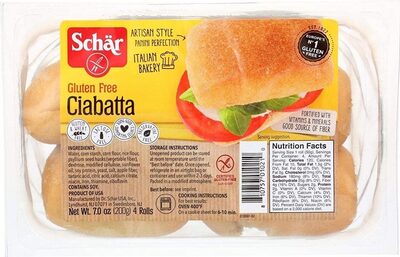
When determining if a processed bread product is kosher, the devil is in the details. We look for the 'big three' non-kosher categories: animal by-products, insect derivatives, and questionable additives. In the case of this specific Ciabatta formula, the ingredients are surprisingly clean from a kosher perspective.
The foundation of this bread is a blend of corn starch, corn flour, and rice flour. Unlike traditional ciabatta which relies on wheat flour, this gluten-free formulation uses grains that are inherently kosher. There is no concern regarding yeast, as yeast is a fungus and is universally accepted in kosher baking, provided the equipment is clean.
Where many breads fail the kosher test is in the fats or emulsifiers. This recipe utilizes sunflower oil and modified cellulose. Both are strictly plant-derived. We also see psyllium seed husks—a common fiber source in gluten-free baking. While seeds generally require checking for insects, processed psyllium is typically cleaned during manufacturing, removing that barrier.
Finally, the vitamin and acid blend—niacin, iron, thiamine, riboflavin, tartaric acid, and citric acid—are all synthetic or derived from fruit/vegetable sources. There are no red flags here. The absence of dairy (whey, casein) and meat derivatives means this bread can be eaten with either meat or dairy meals (pareve).
Nutritional Value
While this Ciabatta passes the kosher test with flying colors, its nutritional profile is equally important to consider. The primary ingredients are refined starches (corn starch, corn flour), which means this product is high in carbohydrates and has a high glycemic index. It provides quick energy but lacks the fiber density of whole-grain wheat breads, despite the addition of apple fiber and psyllium.
In terms of fats, it is very low, relying solely on sunflower oil. This keeps the saturated fat content negligible. However, the inclusion of dextrose (a form of sugar) and soy protein indicates a processed food designed for texture and shelf-life rather than whole-food nutrition. It fits a kosher diet perfectly, but for a balanced diet, it should be consumed in moderation alongside nutrient-dense proteins and vegetables.
Frequently Asked Questions
Does Ciabatta contain dairy or gluten?
Is Ciabatta good for weight loss?
Where can I buy Ciabatta?
Is Ciabatta safe for kids?
Pro Tip
Always double-check the label. Manufacturers change ingredients frequently without notice!