
Is Ciabatta Rolls with Real Cheese Gluten Free?
No, Ciabatta Rolls with Real Cheese are not gluten-free. While the name highlights 'Real Cheese,' the foundation of this product is traditional wheat bread, making it strictly off-limits for anyone with Celiac disease or gluten intolerance. If you are looking for a safe lunch option, you will need to look elsewhere, as this product contains multiple gluten-containing ingredients.
The Ingredient Breakdown
To understand why these rolls are unsafe for a gluten-free diet, we need to look at the specific ingredients used in the bread and the spread. As a food scientist, I look beyond the marketing claims to the chemical composition of the food.
The primary culprit is the enriched wheat flour. This is the standard base for most commercial breads and is derived entirely from wheat. It contains high levels of gluten, specifically the proteins gliadin and glutenin, which give the bread its chewy texture. Additionally, the ingredient list includes wheat gluten itself. This is often added to bread products to boost the protein content and improve the dough's elasticity, but for someone avoiding gluten, this is essentially adding pure gluten to the mix.
Another critical flag is the malt syrup. Malt syrup is typically derived from barley. Barley is one of the three major gluten-containing grains (along with wheat and rye). Even in small amounts, malt flavoring can trigger a reaction in those with gluten sensitivities. Furthermore, the rolls are dusted with corn meal. While corn is naturally gluten-free, cross-contamination is a major risk factor in facilities that process wheat. However, the presence of wheat and barley ingredients means the product is inherently not gluten-free, regardless of the corn meal.
Finally, we must consider the cheese spread. While the parmesan cheese and the mozzarella and provolone cheese are dairy-based and naturally gluten-free, the spread contains natural and artificial flavors. In the food industry, these vague terms can sometimes hide gluten-containing carriers or starches used to transport flavor compounds. Without a 'gluten-free' certification, these ambiguous ingredients add another layer of risk.
Nutritional Value
From a nutritional standpoint, these rolls are a dense source of calories and fat, primarily due to the cheese spread and the oils used. The bread itself provides carbohydrates for energy, but because it is made from refined white flour, it lacks significant fiber, which can lead to a quicker spike in blood sugar compared to whole grain options.
The cheese spread contributes a notable amount of sodium and saturated fat. The inclusion of soybean oil and palm oil increases the total fat content. While the product does provide some calcium from the cheese, the high caloric density (estimated over 200 calories per serving) combined with the refined carbohydrates makes it a calorie-heavy snack rather than a nutrient-dense meal. For those monitoring their sodium intake, the combination of salt in the bread and salt in the cheese makes this a high-sodium food.
Frequently Asked Questions
Does Ciabatta Rolls with Real Cheese contain dairy or gluten?
Is Ciabatta Rolls with Real Cheese good for weight loss?
Where can I buy Ciabatta Rolls with Real Cheese?
Is Ciabatta Rolls with Real Cheese safe for kids?
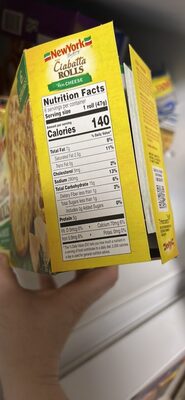
Ciabatta Rolls with Real Cheese
Gluten Free Analysis
We recommend searching for certified Gluten Free alternatives.
Pro Tip
Always double-check the label. Manufacturers change ingredients frequently without notice!