
Is Cinnamon Schoolbook Cookies Halal?
The direct answer to whether Cinnamon Schoolbook Cookies are Halal is MAYBE. While the ingredient list appears free from obvious Haram elements like pork or alcohol, the inclusion of ambiguous 'natural flavor' creates a gray area that requires careful consideration. This guide breaks down exactly why this specific ingredient matters and what you should look for before purchasing.
The Ingredient Breakdown
When determining if a processed snack like Cinnamon Schoolbook Cookies is Halal, we must look beyond the obvious. The primary ingredients—unbleached enriched flour, sugar, and palm oil—are generally considered Halal compliant. However, the complexity arises with the flavoring agents and processing aids.
The most significant flag in this product is the natural flavor. In the food industry, 'natural flavor' is a broad term that can include plant extracts, but it can also derive from animal sources or fermentation processes involving alcohol. For a cinnamon cookie, this flavor could theoretically be derived from cinnamon bark oil (Halal) or a complex ester blend that might use non-Halal carrier solvents. Without specific disclosure from the manufacturer regarding the source of this flavor, absolute certainty is impossible.
Additionally, while the main ingredients are safe, the 'may contain' statement is crucial for those with strict dietary laws. The product may contain traces of egg, milk, soy, and coconut. While trace amounts are often a contamination issue rather than an intentional ingredient, strict Halal observers may want to avoid products with potential cross-contamination of milk if they are consuming the cookie alongside a meat meal.
Nutritional Value
From a nutritional standpoint, Cinnamon Schoolbook Cookies are a standard indulgence treat. They are primarily composed of refined carbohydrates from the enriched flour and added sugar, providing a quick source of energy but little in the way of sustained nutrition or fiber.
The fat content comes mainly from palm oil. While this keeps the cookies shelf-stable and gives them a crisp texture, palm oil is calorie-dense and high in saturated fats. If you are monitoring your daily caloric intake or managing cholesterol levels, these cookies should be consumed in moderation. They do not fit the criteria for a 'health food' but can certainly fit into a balanced diet as an occasional treat.
Frequently Asked Questions
Does Cinnamon Schoolbook Cookies contain dairy or gluten?
Is Cinnamon Schoolbook Cookies good for weight loss?
Where can I buy Cinnamon Schoolbook Cookies?
Is Cinnamon Schoolbook Cookies safe for kids?
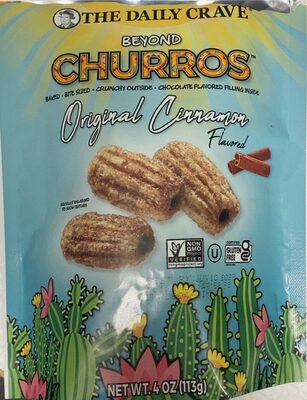
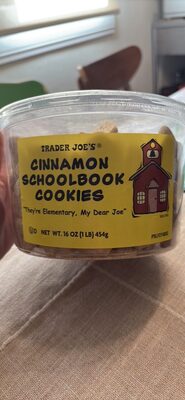
Cinnamon Schoolbook Cookies
Halal Analysis
We recommend searching for certified Halal alternatives.
Pro Tip
Always double-check the label. Manufacturers change ingredients frequently without notice!