
Is Coconat macaroons Gluten Free?
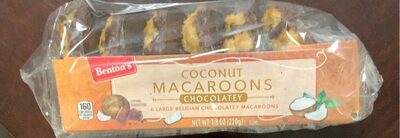
Yes, Coconat macaroons are gluten-free. Based on the ingredient list, there are no wheat, barley, or rye derivatives present, making them a safe treat for those with celiac disease or gluten sensitivity. However, while they pass the gluten test, there are other factors regarding sugar and fat content that are worth noting.
The Ingredient Breakdown
When determining if a packaged treat is safe for a gluten-free diet, we have to look beyond the marketing claims and inspect the formulation. The primary binder in traditional macaroons is usually shredded coconut, but manufacturers often add flours to improve texture and binding. In the case of Coconat macaroons, the formulation relies on specific starches that do not contain gluten.
Let's look at the key ingredients. The product uses rice flour and potato starch as its primary thickeners. Both of these are naturally gluten-free grains and are widely used in gluten-free baking as safe alternatives to wheat flour. Additionally, dextrose and glucose syrup are used as sweeteners; these are typically derived from corn or tapioca and are safe, though it is always good practice to verify the source (which in this case is not wheat-based).
There is a common misconception regarding oats in macaroons, but this specific product does not list oats. Instead, the texture comes from the coconut itself and the added starches. The only potential allergen flags here are egg whites and soy lecithin, but neither of these are gluten-containing ingredients. Therefore, from a strictly gluten-free standpoint, the ingredient profile is clean.
Nutritional Value
While these macaroons are safe for a gluten-free diet, they are energy-dense. The primary ingredients are sugar and vegetable fats (including palm and palm kernel oils). This combination creates a treat that is high in calories and carbohydrates relative to its size. For individuals following a low-carb or ketogenic diet, the glucose syrup and dextrose content may be a concern as they can spike blood sugar levels.
Fat content is another area to watch. The inclusion of palm kernel oil and vegetable fats contributes to the saturated fat content. While coconut naturally contains saturated fats, the added oils increase the overall density. If you are managing your daily fat intake or watching your cholesterol, these should be consumed in moderation. They fit well into a standard diet as an occasional indulgence, but they are not a 'health food' per se due to the added sugars and processed fats.
Frequently Asked Questions
Does Coconat macaroons contain dairy or gluten?
Is Coconat macaroons good for weight loss?
Where can I buy Coconat macaroons?
Is Coconat macaroons safe for kids?
Pro Tip
Always double-check the label. Manufacturers change ingredients frequently without notice!