
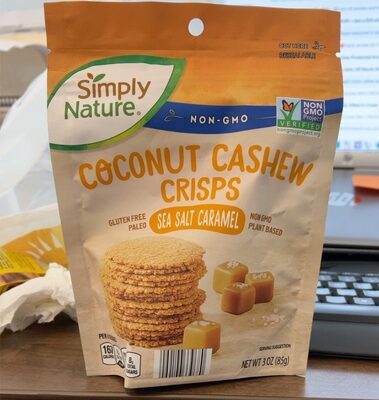
Is Coconut cashew crisps Halal?
Yes, Coconut cashew crisps are Halal. Based on a detailed analysis of the ingredient list, this snack is free from alcohol, pork derivatives, and non-Halal meat ingredients, making it permissible for consumption. These crisps rely on a simple, plant-based formula of nuts, coconut, and cassava, offering a clean snacking option for those adhering to Halal dietary guidelines.
The Ingredient Breakdown
When determining if a packaged snack is Halal, we look for specific red flags: alcohol (often in flavorings), pork derivatives (like gelatin or lard), and non-Halal meat additives. Fortunately, the ingredient list for Coconut cashew crisps is remarkably clean from these perspectives.
The core components are coconut and cashews. These are plant-based nuts and are inherently Halal. They provide the fat, protein, and texture for the crisp. The binding agent is cassava flour, a root vegetable starch that is gluten-free and Halal. For sweetness, manufacturers use coconut sugar, a natural sweetener derived from the sap of the coconut palm, which avoids refined white sugar processing that sometimes uses bone char (though bone char is not a Halal prohibition in itself, it is a concern for some).
The only other ingredient listed is sea salt, a mineral that is Halal. The mention of "contains: coconut" is simply an allergen warning, not an additive. There are no artificial flavorings, emulsifiers, or preservatives listed that would typically carry a risk of non-Halal ingredients. Therefore, from a food scientist's perspective, there are no flags found.
Nutritional Value
While Halal status is the primary focus, the nutritional profile is equally important. Coconut cashew crisps are a calorie-dense snack due to the high fat content of cashews and coconut. A typical serving provides a significant amount of healthy monounsaturated fats, which are beneficial for heart health. However, this also means portion control is key if you are monitoring your calorie intake.
The coconut sugar provides a source of carbohydrates and sweetness, but it generally has a lower glycemic index than refined white sugar, meaning it causes a slower rise in blood sugar levels. This snack fits well into low-carb or keto diets in moderation, as the net carbs are relatively low thanks to the cassava flour base. It is an excellent source of energy and provides minerals like magnesium and zinc from the cashews.
Frequently Asked Questions
Does Coconut cashew crisps contain dairy or gluten?
Is Coconut cashew crisps good for weight loss?
Where can I buy Coconut cashew crisps?
Is Coconut cashew crisps safe for kids?
Pro Tip
Always double-check the label. Manufacturers change ingredients frequently without notice!