
Is Coconut cashew crisps Keto?
No, Coconut cashew crisps are not considered Keto-friendly. While they feature high-fat ingredients like cashews and coconut, the inclusion of added sugars and flour makes the carbohydrate count too high for standard ketosis. If you are strictly following a low-carb diet, these crisps will likely disrupt your progress.
The Ingredient Breakdown
To understand why these crisps fail the Keto test, we have to look at the source material: the ingredient label. While the base components seem promising, two specific ingredients act as deal-breakers for the ketogenic diet.
First, let's look at the positives. The product relies on coconut and cashews. Both are excellent sources of healthy fats, which is the cornerstone of the Keto diet. Cashews specifically provide a creamy texture and satiety, while coconut offers medium-chain triglycerides (MCTs). However, the ratio of fats to carbs is skewed by the additives.
The primary culprit is coconut sugar. Despite the "coconut" label, this is still a form of sugar. It is essentially sucrose, with a chemical structure very similar to table sugar. On Keto, the goal is to limit total carbohydrates, usually under 20-50 grams per day, and sugar is the most concentrated form of carbs. Even a small amount of coconut sugar can use up a significant portion of your daily carb allowance.
Secondly, we must address cassava flour. Cassava is a root vegetable (similar to a potato) and is very high in starch. In the world of food science, cassava flour is often used as a gluten-free alternative to wheat flour, but it is not low-carb. It acts as a binding agent and adds bulk to the crisps, but it also adds a heavy load of carbohydrates that are quickly digested, similar to eating bread or crackers.
Nutritional Value
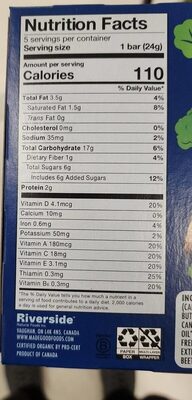
When analyzing the nutritional profile of these crisps, the macro-nutrient balance is the deciding factor. A standard serving of a nut-based snack usually boasts a high fat-to-protein ratio, which is ideal for Keto. However, the presence of coconut sugar and cassava flour significantly alters this balance.
These two ingredients drive up the net carbohydrate count. For a snack to be truly Keto, it generally needs to keep net carbs (Total Carbs minus Fiber) under 3-5 grams per serving. Because these crisps use flour and sugar as primary ingredients, the carb count likely exceeds 10-15 grams per serving, which is half or more of a strict daily limit.
Furthermore, while the fats from the cashews are healthy, the caloric density combined with high carbs creates a metabolic environment that favors fat storage rather than fat burning (ketosis). Therefore, despite the nutrient density of the nuts, the snack does not fit the metabolic requirements of a Keto diet.
Frequently Asked Questions
Does Coconut cashew crisps contain dairy or gluten?
Is Coconut cashew crisps good for weight loss?
Where can I buy Coconut cashew crisps?
Is Coconut cashew crisps safe for kids?
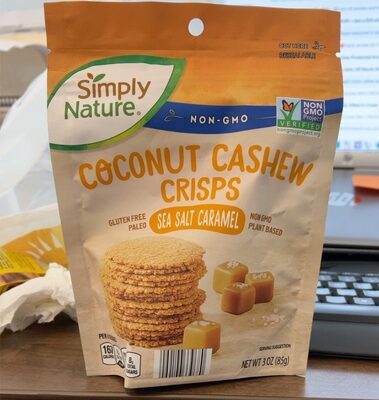
Coconut cashew crisps
Keto Analysis
We recommend searching for certified Keto alternatives.
Pro Tip
Always double-check the label. Manufacturers change ingredients frequently without notice!