
Is Coconut Water Vegan? A Food Scientist's Deep Dive
The answer is MAYBE. While coconut water comes from a plant, strict vegans need to investigate the processing and additives. We'll break down the specific ingredients that could turn this tropical drink into a non-vegan product.
The Ingredient Breakdown
At first glance, coconut water seems inherently vegan. It is the clear liquid found inside a young coconut, a natural plant product. However, as a food scientist, I know that what happens between the tree and the bottle often introduces complexity. Let's look at the typical ingredients found in commercial brands.
The primary ingredient is, of course, COCONUT WATER. This is naturally vegan, hydrating, and rich in electrolytes. It is usually the bulk of the product, often making up 85% or more of the liquid.
The first potential flag for strict vegans is SUGAR. While sugar is a plant product, not all sugar is processed equally. Some refined white sugars are processed using bone char (charred animal bones) to achieve a pure white color. If the brand uses this method, the product is technically not vegan. However, many brands now explicitly state they use cane sugar or beet sugar, which are vegan-friendly. The verdict here depends entirely on the specific manufacturer's sourcing.
Another ingredient often listed is SODIUM METABISULFITE. This is a chemical preservative used to maintain the fresh color of the water and prevent oxidation. It is a synthetic compound and is not derived from animals, making it chemically vegan. However, some vegans avoid synthetic additives on principle, though it does not violate the strict definition of veganism.
Finally, some brands add COCONUT FLESH PULP. This is simply pureed coconut meat and is entirely plant-based. It adds texture and flavor but poses no ethical issues for vegans.
Nutritional Value
Coconut water is often marketed as 'nature's sports drink.' From a nutritional standpoint, it is low in calories compared to sodas or juices, typically containing around 45-60 calories per cup. It is naturally fat-free and contains no cholesterol.
The main nutritional concern for any health-conscious individual—vegan or otherwise—is the added sugar. Natural coconut water contains sugars (fructose and glucose), but added sugar spikes the glycemic load. If you are watching your sugar intake, look for brands labeled 'unsweetened.' These rely solely on the natural sweetness of the coconut.
In terms of electrolytes, it is a good source of potassium, often containing more than a banana. This makes it excellent for rehydration, provided you aren't sensitive to the natural sulfites used for preservation.
Frequently Asked Questions
Does Coconut Water contain dairy or gluten?
Is Coconut Water good for weight loss?
Where can I buy Coconut Water?
Is Coconut Water safe for kids?


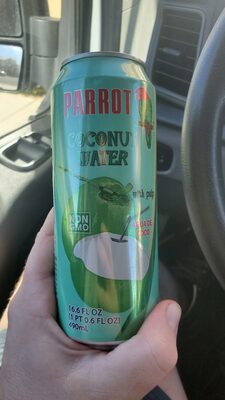
Coconut Water
Vegan Analysis
We recommend searching for certified Vegan alternatives.
Pro Tip
Always double-check the label. Manufacturers change ingredients frequently without notice!