
Is Coconut Whipped Topping Keto?
No, standard Coconut Whipped Topping is generally not considered keto-friendly. While it mimics the light, airy texture of traditional whipped cream, a closer look at the ingredient label reveals hidden sugars that can easily disrupt ketosis. If you are strictly following a ketogenic diet, this specific store-bought topping is likely a trap disguised as a healthy alternative.
The Ingredient Breakdown
As a food scientist, I always tell people that the name on the front of the package is marketing, but the ingredient list is the truth. When we analyze a standard Coconut Whipped Topping, we see a mix of healthy fats and industrial additives designed to mimic dairy texture. Let's look at the specific culprits that make this non-keto.
The primary base is coconut cream, which is excellent. It provides the healthy medium-chain triglycerides (MCTs) that the keto diet thrives on. However, the formula immediately runs into trouble with the addition of sugar and glucose syrup. Glucose is a simple sugar that has a high glycemic index, meaning it spikes blood sugar and insulin levels rapidly—the exact opposite of what you want on keto. Even though the product is dairy-free, these sweeteners are strictly limited on a ketogenic macro plan.
We also see mono and diglycerides and carrageenan. While these are technically keto-compliant (they are fats and seaweed extracts, respectively), they are often used to stabilize the emulsion so the topping doesn't separate. The presence of cellulose gel and cellulose gum acts as a thickener to give that 'whipped' mouthfeel without using real cream. While these don't add carbs, they indicate a highly processed product rather than a whole-food approach to your diet.
Nutritional Value
When evaluating the nutritional profile of Coconut Whipped Topping, the fat content is usually moderate, which fits the keto profile. However, the carbohydrate content is the deciding factor. A standard serving often contains between 3 to 5 grams of sugar. While 5 grams might not sound like much, people tend to over-pour whipped topping. It is very easy to consume 20 grams of carbohydrates from this product alone if you aren't measuring carefully.
Furthermore, the calorie density comes largely from the added sweeteners rather than just the coconut fat. On a strict keto diet (usually 20-30g net carbs per day), a single serving of this topping could consume 15-20% of your daily carb allowance. This leaves very little room for nutrient-dense vegetables or berries, making it a poor nutritional trade-off. It fits the limits only if you use a microscopic amount, which defeats the purpose of a 'topping'.
Frequently Asked Questions
Does Coconut Whipped Topping contain dairy or gluten?
Is Coconut Whipped Topping good for weight loss?
Where can I buy Coconut Whipped Topping?
Is Coconut Whipped Topping safe for kids?


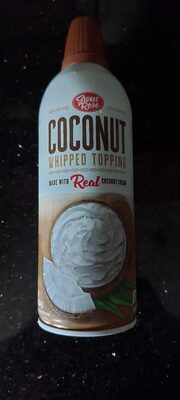
Coconut Whipped Topping
Keto Analysis
We recommend searching for certified Keto alternatives.
Pro Tip
Always double-check the label. Manufacturers change ingredients frequently without notice!