
Is Coffee Creamer Gluten Free?
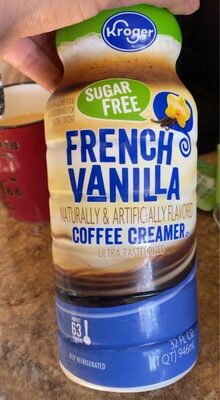
Yes, the coffee creamer in question is gluten-free. After analyzing the ingredient list, including water, high oleic soybean oil, and corn syrup, we found no gluten-containing grains or derivatives. This makes it a safe choice for those avoiding gluten, though there are other nutritional factors to consider.
The Ingredient Breakdown
When determining if a processed food like coffee creamer is safe for a gluten-free diet, we have to look beyond the obvious. It's rarely about wheat flour being dumped in the mix; it's about hidden derivatives and processing aids. Let's look at the specific ingredients provided.
First, the base ingredients: Water, High Oleic Soybean Oil, and Corn Syrup. None of these contain gluten. Corn is naturally gluten-free, as are soybeans and water. The primary thickener listed is Carrageenan. This is a seaweed extract, frequently used in dairy-free products to provide the creamy texture of milk without the lactose. It is entirely plant-based and gluten-free.
Next, we look at the emulsifiers and stabilizers. Dipotassium Phosphate and Datem (Diacetyl Tartaric Acid Esters of Monoglycerides) are chemical terms that often confuse consumers. However, in the food industry, these are typically derived from vegetable oils or glycerin, not wheat. They are used to keep the oil and water from separating. Similarly, Polysorbate 60 is an emulsifier derived from sorbitol and fatty acids, safe for gluten-free consumption.
The most critical ingredient to scrutinize in non-dairy creamers is often the protein source. Here, we see Sodium Caseinate. This is a derivative of casein, which is a protein found in milk. While it is derived from dairy, it is processed to remove most of the lactose. Crucially, it is not derived from gluten grains. Therefore, while it is not dairy-free (making it unsuitable for vegans), it is gluten-free.
Finally, we have the sweeteners and flavorings: Sucralose, Acesulfame Potassium, and Natural and Artificial Flavors. Sucralose and Acesulfame K are artificial sweeteners that do not contain gluten. The term "Natural and Artificial Flavors" is a catch-all, but in a product like this, it almost exclusively refers to vanilla or nut-type flavorings derived from chemical synthesis or spices, not gluten sources.
Nutritional Value
While this creamer is safe for your gluten-free needs, it is important to understand what you are actually adding to your morning cup. The primary ingredients driving the nutritional profile are the High Oleic Soybean Oil and Corn Syrup.
This creamer is essentially a fat-and-sugar emulsion. The Corn Syrup provides the sweetness, while the soybean oil provides the calories and the "mouthfeel" that mimics dairy cream. Because it lacks actual milk protein, the calorie count is often lower than heavy cream, but it can be higher than skim milk depending on the concentration used. The inclusion of Sucralose and Acesulfame Potassium indicates this is likely a "light" or "sugar-free" version, relying on artificial sweeteners to keep the calorie count down while maintaining sweetness.
If you are monitoring your intake of processed fats or artificial additives, this product might be a concern. The Carrageenan and Polysorbate 60 are generally recognized as safe by the FDA, but some individuals prefer to avoid these additives due to digestive sensitivity. However, from a macronutrient perspective, it fits well into a low-carb or keto diet (due to the lack of sugar and low net carbs) but is not a source of nutritionally dense calories.
Frequently Asked Questions
Does Coffee Creamer contain dairy or gluten?
Is Coffee Creamer good for weight loss?
Where can I buy Coffee Creamer?
Is Coffee Creamer safe for kids?
Pro Tip
Always double-check the label. Manufacturers change ingredients frequently without notice!