
Is Collagen Kosher?
The short answer is: MAYBE. While many of the ingredients in this collagen blend are inherently kosher-friendly, the inclusion of **Gelatin Hydrolysate** is a significant red flag for those observing strict kosher dietary laws. Without a reliable kosher certification symbol on the packaging, this specific product cannot be recommended for consumption.
The Ingredient Breakdown
As a food scientist, I look at the molecular origin of ingredients to determine their kosher status. When analyzing this specific collagen formulation, we see a mix of plant-based, synthetic, and animal-derived components. The primary concern lies in the animal-derived ingredients, specifically the source of the gelatin.
Let's look at the specific flags. The ingredient Gelatin Hydrolysate (FORTIGEL®) is the main culprit here. Gelatin is a protein obtained by boiling skin, tendons, ligaments, and/or bones with water. It is usually obtained from cows or pigs. For gelatin to be kosher, the animal must be slaughtered according to Jewish law (shechita), and the source must be exclusively beef (with a kosher gelatin certificate) or fish. If this product contains porcine (pig) gelatin, it is not kosher. If it contains beef gelatin without a certificate, it is not kosher.
Furthermore, we must scrutinize the Connective Tissue Blend (TENDAXION™) and Type I Collagen. These are derived from animal tissues. While collagen itself is chemically neutral, its source determines the kosher status. If derived from non-kosher animals or animals not slaughtered correctly, it is forbidden. Finally, Chicken Comb Extract (MOBILEE®) is derived from rooster combs. Chicken is a kosher bird, but only if slaughtered and processed under kosher supervision. Without that supervision, the extract is considered non-kosher due to the lack of knowledge regarding the slaughter method and the potential mixing of non-kosher blood vessels.
On a positive note, ingredients like Vitamin C and Magnesium are synthetic or mineral-based and are universally kosher. However, the animal-derived components dominate the formula, making certification mandatory.
Nutritional Value
From a nutritional standpoint, this product is designed as a functional supplement rather than a meal replacement. It is low in calories, fat, and sugar, focusing entirely on protein and joint-supporting compounds. The inclusion of Magnesium Bisglycinate Chelate is excellent for absorption and muscle function, while Vitamin C is essential for collagen synthesis within the body.
The Mucopolysaccharides and Hyaluronic Acid (from the chicken comb) are high-value ingredients for skin hydration and joint lubrication. Because this is a hydrolyzed protein blend, it is easily digestible and fits well into high-protein, low-carb diets. It does not contain added sugars or unnecessary fillers, making it nutritionally clean regardless of its kosher status.
Frequently Asked Questions
Does Collagen contain dairy or gluten?
Is Collagen good for weight loss?
Where can I buy Collagen?
Is Collagen safe for kids?
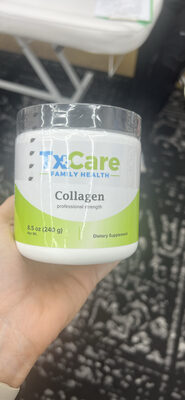
Collagen
Kosher Analysis
We recommend searching for certified Kosher alternatives.
Pro Tip
Always double-check the label. Manufacturers change ingredients frequently without notice!