
Is Collagen Vegan?
No, standard collagen is not vegan. Derived from animal connective tissues, it fundamentally contradicts plant-based principles. This analysis breaks down the specific animal-derived ingredients found in typical collagen supplements to explain exactly why they are off-limits for vegans.
The Ingredient Breakdown
When determining if a supplement fits a vegan lifestyle, we must look beyond the marketing claims and examine the source material. The specific product profile provided offers a textbook example of why collagen is inherently non-vegan. It relies on animal by-products to deliver its purported benefits.
The primary culprits are Gelatin Hydrolysate (FORTIGEL®) and the Connective Tissue Blend (TENDAXION™). Gelatin is a partial hydrolysate of collagen, meaning it is literally processed animal collagen—usually sourced from the skin, bones, and connective tissues of cows or pigs. While the 'hydrolysate' process breaks it down into smaller peptides for easier absorption, the origin remains strictly animal-based. Similarly, a 'Connective Tissue Blend' implies the harvesting of tissues from livestock.
Perhaps the most specific flag in this profile is Chicken Comb Extract (MOBILEE®). This ingredient is exactly what it sounds like: extract derived from the combs of roosters. The comb is a fleshy growth on top of a rooster's head, rich in hyaluronic acid. While effective for joint health, sourcing an ingredient directly from an animal makes it impossible to classify as vegan. Even if the product were to remove the obvious meat-derived ingredients, the fundamental nature of collagen—being a protein found exclusively in animals—means there is no plant-based equivalent that functions in the same biological way.
Nutritional Value
While this product is not suitable for vegans, it is worth understanding its nutritional profile for those who do consume animal products. Collagen supplements are unique because they are almost exclusively a source of protein, specifically amino acids like glycine and proline. They typically contain zero sugar, zero fat, and very few calories per serving, making them a highly concentrated protein supplement.
In this specific formulation, the inclusion of Vitamin C and Magnesium adds some micronutrient value. Vitamin C is crucial because it acts as a cofactor for the body to synthesize its own collagen. However, the caloric density is low, and the product is not intended to replace a meal. It fits easily into most diets regarding macronutrients, but the strict vegan status is the limiting factor here.
Frequently Asked Questions
Does Collagen contain dairy or gluten?
Is Collagen good for weight loss?
Where can I buy Collagen?
Is Collagen safe for kids?

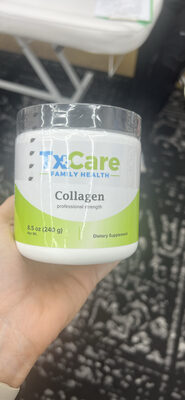
Collagen
Vegan Analysis
We recommend searching for certified Vegan alternatives.
Pro Tip
Always double-check the label. Manufacturers change ingredients frequently without notice!