
Is Complete Protein Vegan?
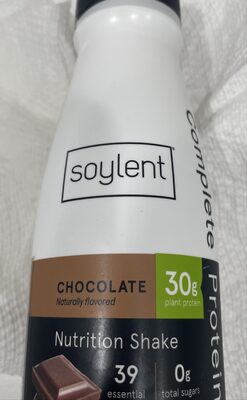
Yes, Complete Protein is vegan. Based on the ingredient label, this product relies entirely on plant-based sources and synthetic vitamins to deliver its nutritional profile. It is a safe option for those avoiding animal products, though it does contain soy and artificial sweeteners.
The Ingredient Breakdown
When determining if a processed food is truly vegan, we have to look beyond the marketing and dive into the chemistry. As a food scientist, I look for hidden animal derivatives in processing agents and nutrient sources. For this product, the verdict is clear, but the ingredients tell a fascinating story of modern food engineering.
The primary protein source here is soy protein isolate. This is derived strictly from soybeans—definitely plant-based. It provides the amino acid profile that makes this a 'complete' protein. To create the creamy texture, the manufacturer uses canola oil and soy lecithin. Both are seed-based fats and are standard in vegan formulations.
Where things get technical is the vitamin and mineral fortification. Vegans often need to supplement B12, and this product includes cyanocobalamin (a synthetic form of B12) and ergocalciferol (Vitamin D2). Crucially, it does not use Vitamin D3 derived from lanolin (sheep's wool), which is common in non-vegan supplements. The iron used is ferrous bisglycinate, a chelated form that is vegan-friendly.
The only potential flag for strict vegans is the sucralose and natural flavors. While generally considered vegan, some vegans avoid sucralose because it is tested on animals, and 'natural flavors' can technically hide animal derivatives (though in a product like this, they are almost certainly fruit/plant extracts).
Nutritional Value
From a nutritional standpoint, this product is designed for convenience and weight management. A standard serving is relatively low in calories (usually around 100-150) but high in protein (often 20g), making it excellent for muscle maintenance without a heavy caloric load.
The sweetening profile relies on allulose and sucralose. Allulose is a rare sugar that has minimal impact on blood glucose, which is a plus for diabetics or those on low-carb diets. However, the inclusion of maltodextrin and soluble corn fiber adds carbohydrates. While these are plant-based, they can cause bloating in sensitive individuals.
Regarding fat content, the canola oil provides essential fatty acids, but it is an industrial seed oil. If you are strictly avoiding processed seed oils for health reasons, this is a key ingredient to note. Overall, it fits well within a calorie-restricted diet and offers a robust micronutrient profile that rivals a multivitamin.
Frequently Asked Questions
Does Complete Protein contain dairy or gluten?
Is Complete Protein good for weight loss?
Where can I buy Complete Protein?
Is Complete Protein safe for kids?
Pro Tip
Always double-check the label. Manufacturers change ingredients frequently without notice!