
Is Cottage Cheese Vegan? An Investigative Analysis
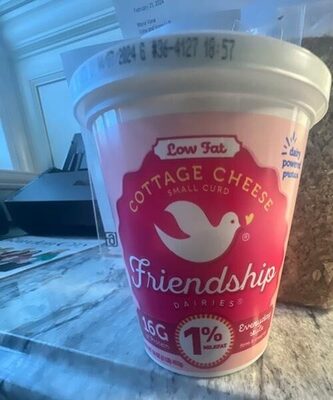
No, cottage cheese is not vegan. As a dairy product derived directly from cow's milk, it fundamentally contradicts the core principles of a vegan diet which excludes all animal products. While it is a staple in many high-protein diets, its production relies entirely on animal agriculture, making it unsuitable for those adhering to strict plant-based lifestyles.
The Ingredient Breakdown
To understand why cottage cheese fails the vegan test, we must look at its composition. The primary ingredient is milk, specifically skim milk and cultured skim milk. This milk is sourced from cows, making it an animal byproduct. The process involves separating the curds from the whey, but the origin remains animal-based.
Secondary ingredients include locust bean gum and carrageenan. While these are plant-derived thickeners often used to improve texture, their presence does not negate the dairy base. Salt is added for flavor, and enzymes (often microbial rennet) are used to coagulate the milk. The most critical flag here is vitamin A palmitate, which is a synthetic version of vitamin A often derived from animal sources or synthesized to mimic animal forms, though in supplements it can be vegan. However, in a dairy product, the source is irrelevant because the milk itself is the dealbreaker.
Finally, the inclusion of carbon dioxide is strictly for packaging preservation and is a gas, not a food ingredient that impacts vegan status. The verdict remains clear: because the base ingredient is milk, cottage cheese is an animal product.
Nutritional Value
From a nutritional standpoint, cottage cheese is often praised for its high protein content and relatively low calorie count, particularly in low-fat varieties. A standard serving provides a significant amount of casein protein, which digests slowly and aids in muscle repair. However, it also contains saturated fats and cholesterol, which are absent in plant-based foods.
Regarding sugar, cottage cheese contains lactose, a milk sugar. While the fermentation process (culturing) breaks down some lactose, it is not lactose-free. For individuals with lactose intolerance, this can cause digestive distress. It fits into diets focused on high protein and low carbs (keto), but strictly from an ethical or vegan perspective, the nutritional profile is irrelevant to the verdict of its non-vegan status.
Frequently Asked Questions
Does Cottage cheese contain dairy or gluten?
Is Cottage cheese good for weight loss?
Where can I buy Cottage cheese?
Is Cottage cheese safe for kids?

Cottage cheese
Vegan Analysis
We recommend searching for certified Vegan alternatives.
Pro Tip
Always double-check the label. Manufacturers change ingredients frequently without notice!