
Is Creamy spreadable cheese wedges Halal?
The short answer is: MAYBE. While Creamy spreadable cheese wedges appear to be made from standard dairy ingredients, there is a specific red flag in the ingredient list that prevents a definitive 'Yes.' This article breaks down exactly why this product requires a closer look before you consume it.
The Ingredient Breakdown
When determining if a processed dairy product is Halal, we look beyond the milk itself. The base ingredients in these wedges—cheddar, swiss, and semisoft cheese made from pasteurized milk, salt, and enzymes—are generally considered Halal. The enzymes used in modern cheese making are typically microbial or fermentation-derived, which is permissible.
However, the issue lies in the additives used to achieve that creamy, spreadable texture. Ingredients like sodium polyphosphate act as emulsifiers to prevent the cheese from separating. These are synthetic but chemically neutral and generally safe. The primary concern for Halal certification is the ingredient labeled natural flavor.
Why is 'natural flavor' a flag? The term 'natural flavor' can be derived from plant or animal sources. While it is most often plant-based in dairy products to enhance taste, without specific clarification from the manufacturer, there is a small risk it could contain animal-derived components. Additionally, the texture is achieved through ultrafiltered nonfat milk and whey, which are standard dairy byproducts but require strict processing standards to ensure no cross-contamination with non-Halal elements.
Nutritional Value
From a nutritional standpoint, these wedges are designed for convenience rather than health optimization. They are relatively high in sodium due to the salt and emulsifiers required to maintain shelf stability and texture. The calorie count is moderate, but the fat content is derived from part-skim milk, meaning it isn't a 'low-fat' product.
Because of the nonfat milk and whey concentrates, the product is higher in protein than some snack alternatives, but it also contains added citric acid for tanginess. If you are monitoring your intake of processed additives or sodium, this product should be consumed in moderation. It fits into a standard diet as an occasional treat rather than a staple food source.
Frequently Asked Questions
Does Creamy spreadable cheese wedges contain dairy or gluten?
Is Creamy spreadable cheese wedges good for weight loss?
Where can I buy Creamy spreadable cheese wedges?
Is Creamy spreadable cheese wedges safe for kids?
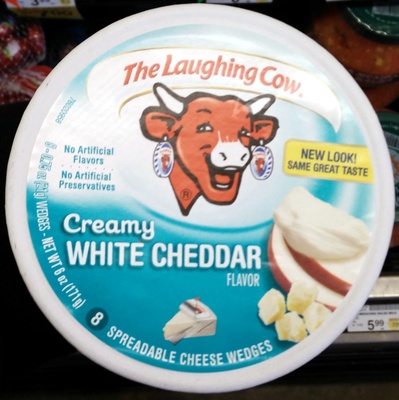
Creamy spreadable cheese wedges
Halal Analysis
We recommend searching for certified Halal alternatives.
Pro Tip
Always double-check the label. Manufacturers change ingredients frequently without notice!