
Is Creamy Wisconsin Blue Cheese Dressing Gluten Free?
The short answer is MAYBE. While Creamy Wisconsin Blue Cheese Dressing does not list wheat, barley, or rye, it contains 'modified food starch,' which can be a hidden source of gluten depending on the source. This investigative analysis breaks down the label to determine if this dressing is safe for celiacs or those with gluten sensitivity.
The Ingredient Breakdown
As a food scientist, I look beyond the marketing claims and straight at the label. When analyzing Creamy Wisconsin Blue Cheese Dressing, the gluten status comes down to a single, ambiguous ingredient. Here is the breakdown of what is inside the jar and why it matters.
Modified Food Starch: This is the primary red flag. In the United States, if starch is derived from wheat, the label must technically declare 'wheat.' However, modified food starch is often processed to remove the protein (gluten), making it technically gluten-free. The problem is the source. If this starch is used as a thickener, it could be derived from corn (safe) or wheat (unsafe). Without the manufacturer explicitly stating 'gluten-free' on the packaging, this ingredient creates a 'may contain' scenario.
Dairy and Preservatives: The dressing features Blue Cheese from Wisconsin (milk, salt, culture), Whey Protein Concentrate, and Milk. These are naturally gluten-free but are high in lactose. There are also preservatives like Potassium Sorbate and Sodium Benzoate, which are standard in shelf-stable dressings and do not pose a gluten risk. Autolyzed Yeast Extract is another ingredient to watch; while usually derived from sugar beets or molasses, in some cheaper formulations it can be a byproduct of brewing (barley), though it is less likely in a dressing.
The Soybean Oil Base: The primary fat source is Soybean Oil. While genetically modified oils are highly refined and do not contain protein (and thus no gluten), those with extreme sensitivity sometimes react to the processing agents. However, the oil itself is safe for a gluten-free diet.
Verdict on Safety: If you have a wheat allergy, this dressing is likely safe because wheat is explicitly declared in the allergen statement if present. However, for a strict gluten-free diet (under 20ppm), the lack of clarity on the 'modified food starch' source makes this a risk.
Nutritional Value
From a nutritional standpoint, this dressing is a classic example of a high-fat, high-sodium condiment. The base is Soybean Oil, which contributes to the high calorie count. A standard serving likely contains between 130 to 160 calories, with the vast majority coming from fat.
The Sugar and Maltodextrin content adds simple carbohydrates, which can spike blood sugar levels. While not a 'health food,' it is designed to be a flavor enhancer. The Titanium Dioxide is used to maintain that bright white color, but it adds zero nutritional value. If you are watching your sodium intake, be aware that blue cheese is naturally salty, and this dressing adds Salt and Lactic Acid for tang, pushing the sodium content up. It fits into a diet only in very strict moderation.
Frequently Asked Questions
Does Creamy Wisconsin Blue Cheese Dressing contain dairy or gluten?
Is Creamy Wisconsin Blue Cheese Dressing good for weight loss?
Where can I buy Creamy Wisconsin Blue Cheese Dressing?
Is Creamy Wisconsin Blue Cheese Dressing safe for kids?
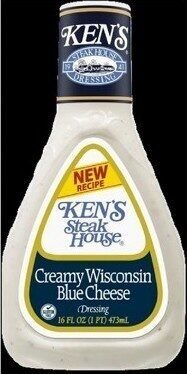
Creamy Wisconsin Blue Cheese Dressing
Gluten Free Analysis
We recommend searching for certified Gluten Free alternatives.
Pro Tip
Always double-check the label. Manufacturers change ingredients frequently without notice!