
Is Crispy Coconut Rolls Gluten Free?
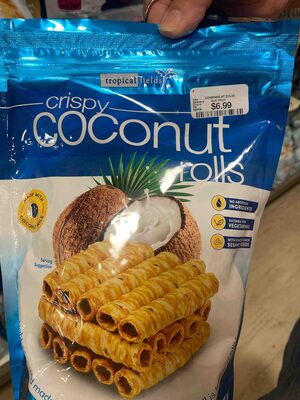
Yes, Crispy Coconut Rolls are gluten-free. Based on the standard ingredient list, these sweet treats rely on tapioca starch rather than wheat flour, making them a safe option for those avoiding gluten. In this article, we will break down exactly why these rolls are safe to eat and what nutritional value they offer.
The Ingredient Breakdown
When determining if a processed food is safe for a gluten-free diet, we must look beyond the marketing and inspect the source ingredients. Fortunately, the formula for Crispy Coconut Rolls is refreshingly simple and naturally free of wheat, barley, and rye.
The primary structural ingredient here is tapioca starch. Tapioca is derived from the cassava root, a tuber native to South America. Unlike wheat, which contains the protein gluten that gives bread its elasticity, tapioca starch is a pure carbohydrate that provides a chewy yet crisp texture when fried. It acts as the perfect gluten substitute in this specific application.
Next, we have the liquid base: coconut milk and egg. Coconut milk is a plant-based liquid that adds richness and moisture, while the egg acts as a binder. Neither of these contains gluten. The remaining ingredients—coconut sugar, sugar, salt, and black sesame seeds—are flavor enhancers and garnishes that are inherently gluten-free.
While the ingredients list is clean, it is always important to note that manufacturing facilities can process multiple products. However, based on the raw inputs provided, there are no gluten-containing flags found.
Nutritional Value
While being gluten-free makes these rolls accessible to a specific dietary group, it is important to consider the nutritional impact. The combination of coconut milk and sugar creates a treat that is high in calories and fat, specifically saturated fat derived from the coconut.
Because the rolls use tapioca starch, they are considered a source of refined carbohydrates. Tapioca is low in fiber and protein, meaning it can spike blood sugar levels relatively quickly compared to whole-grain alternatives. If you are managing diabetes or watching your caloric intake, these should be treated as an occasional indulgence rather than a staple food.
On the positive side, the inclusion of black sesame seeds offers a small amount of minerals like calcium and iron. However, the quantity is likely too low to contribute significantly to your daily recommended intake. Overall, these rolls fit best into a balanced diet where gluten avoidance is the priority, rather than a low-sugar or low-fat regimen.
Frequently Asked Questions
Does Crispy Coconut Rolls contain dairy or gluten?
Is Crispy Coconut Rolls good for weight loss?
Where can I buy Crispy Coconut Rolls?
Is Crispy Coconut Rolls safe for kids?

Pro Tip
Always double-check the label. Manufacturers change ingredients frequently without notice!