
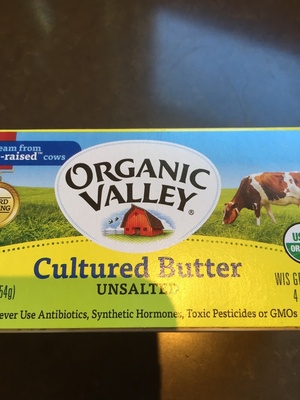
Is Cultured butter Halal?
Yes, Cultured butter is Halal. Based on the standard ingredients found in organic cultured butter, there are no flags or forbidden components present. It is a pure dairy product derived from milk and safe cultures, making it permissible for consumption.
The Ingredient Breakdown
When determining if a dairy product is Halal, we look strictly at the source of the milk and the cultures used to process it. In the case of pastureized organic sweet cream (milk), the source is straightforward: it is cow's milk, which is inherently Halal provided the animal is healthy and slaughtered correctly (though in butter production, slaughter is irrelevant as we are dealing with milk, not meat). The key concern for many consumers is hidden animal-derived enzymes, but in this product, that is not an issue.
The second primary ingredient is microbial cultures. This is the crucial element that makes this butter Halal. Some dairy products use 'rennet'—an enzyme extracted from the stomach lining of calves—to curdle the milk. If that rennet is not from a Halal-slaughtered animal, the product becomes Haram. However, 'microbial cultures' explicitly indicates the use of bacteria or yeast (often fungal-based) to ferment the milk. These are entirely plant-based or synthetic in origin and contain absolutely no animal products. Therefore, the fermentation process is 100% Halal.
Nutritional Value
From a nutritional standpoint, cultured butter is a dense source of energy. It is primarily composed of milk fat, which constitutes the vast majority of its weight. Unlike margarine or spreads that might contain trans fats, pure cultured butter contains natural saturated fats. It also contains conjugated linoleic acid (CLA), a type of fat found in grass-fed dairy that has been linked to various health benefits, including anti-inflammatory properties.
In terms of sugar and carbohydrates, cultured butter is an excellent choice for those monitoring their intake. It contains zero carbohydrates and no sugar. This makes it suitable for ketogenic and low-carb diets. However, because it is calorie-dense (roughly 100 calories per tablespoon), portion control is essential if you are managing your weight. The 'cultured' aspect also introduces probiotics, which are beneficial for gut health, though many of these may be reduced during pasteurization depending on when the cultures are added.
Frequently Asked Questions
Does Cultured butter contain dairy or gluten?
Is Cultured butter good for weight loss?
Where can I buy Cultured butter?
Is Cultured butter safe for kids?
Pro Tip
Always double-check the label. Manufacturers change ingredients frequently without notice!