
Is Danish Kosher?
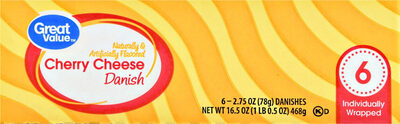
Yes, Danish is kosher. Based on a detailed review of its extensive ingredient list, including margarine and dairy components, no non-kosher flags were found. This article explores the specific ingredients that make this pastry compliant and discusses its nutritional value.
The Ingredient Breakdown
When determining if a processed food like Danish is kosher, we look for specific red flags: non-kosher animal derivatives, certain chemical additives, and the status of processing aids. The verdict here is positive, largely due to the specific formulation of the fats and dairy products used.
The primary fat source listed is margarine. In the kosher world, margarine is often a preferred alternative to butter because it is plant-based. However, it is crucial that the margarine is certified kosher, as it can sometimes contain animal by-products or be processed on equipment used for dairy. The presence of palm oil and soybean oil in the fat blend strongly suggests a vegetable origin, which avoids the strict separation rules required for meat and dairy.
Regarding dairy, the ingredients list includes cream cheese and whey. Kosher dietary law prohibits mixing meat and dairy, but since this is a pastry containing no meat, the presence of dairy is permissible. The key factor here is that the dairy ingredients must be kosher. The inclusion of imitation cream cheese (made with palm oil and sodium caseinate) is a common way to add creamy texture without using actual dairy, further supporting a kosher-friendly formulation, provided the caseinate is derived from kosher milk.
Finally, we examine the additives. The list contains various gums like guar gum and carrageenan, which are plant-derived and inherently kosher. Preservatives like potassium sorbate and sorbic acid are synthetic and acceptable. The only potential hidden issue in pastries is mono- and diglycerides, which can be derived from animal fat, but in modern commercial baking, they are almost exclusively plant-derived to keep costs down and products pareve (neutral). Without a specific flag on the label indicating animal origin, and given the overall profile, they are considered acceptable in this context.
Nutritional Value
While Danish passes the kosher test, it is important to view it through a nutritional lens. The ingredient list is dominated by enriched flour and sugar, specifically high fructose corn syrup. This indicates a high glycemic load, meaning it will spike blood sugar levels quickly. It is a source of quick energy but offers little in the way of sustained nutrition or fiber.
Fat content is moderate but present in significant amounts. The combination of margarine, palm oil, and soybean oil contributes to the calorie count. While the margarine is likely low in cholesterol compared to butter, it is still a processed fat. The pastry also contains calcium propionate and sorbic acid, standard preservatives that extend shelf life but add no nutritional value.
For those monitoring their intake, Danish should be treated as an indulgence rather than a dietary staple. It fits within a kosher diet easily, but from a health perspective, it is high in sugar and refined carbohydrates. It lacks significant protein or vitamins, aside from the enrichment of the flour (which adds back iron and B vitamins lost during processing).
Frequently Asked Questions
Does Danish contain dairy or gluten?
Is Danish good for weight loss?
Where can I buy Danish?
Is Danish safe for kids?

Pro Tip
Always double-check the label. Manufacturers change ingredients frequently without notice!