
Is Diet Pepsi Halal?
The short answer is: **Maybe**. While Diet Pepsi contains no obvious animal products or alcohol in its listed ingredients, the ambiguity lies in a single component: 'Natural Flavor.' This article investigates the manufacturing process to determine if Diet Pepsi meets Halal dietary standards.
The Ingredient Breakdown
When analyzing a beverage for Halal compliance, we look beyond the obvious. Diet Pepsi's ingredient list appears deceptively simple, but as a food scientist, I look for the hidden complexities. Let's break down the key components.
First, the base ingredients are generally safe. Carbonated Water and Phosphoric Acid are inorganic and Halal. Caramel Color is a standard coloring agent, though strict Halal observers sometimes question the source (though it is typically plant-derived or synthetic). The sweeteners, Aspartame and Acesulfame Potassium, are synthetic and therefore Halal.
The primary flag is Natural Flavor. This is a catch-all term that can hide a multitude of substances. In the context of cola, 'natural flavors' often include essential oils (like orange or lime) and sometimes vanilla extract. Crucially, traditional vanilla extract is made by macerating vanilla beans in a solution of alcohol and water. While the alcohol content in the final product is minute, strict Halal certification requires the complete absence of alcohol or the use of Halal-certified processing agents.
Furthermore, Potassium Benzoate is a preservative. While chemically Halal, some scholars argue that if it reacts with Ascorbic Acid (Vitamin C), it can form benzene, a carcinogen. However, Diet Pepsi does not list Vitamin C, so this specific chemical reaction is not a concern here. The verdict remains 'Maybe' because PepsiCo does not publicly certify Diet Pepsi as Halal, nor do they explicitly state that their 'Natural Flavor' is alcohol-free.
Nutritional Value
From a nutritional standpoint, Diet Pepsi is designed to be a zero-calorie beverage. It contains 0 grams of sugar, 0 grams of fat, and 0 calories. This makes it an attractive option for those monitoring their caloric intake or managing diabetes, as it does not spike blood glucose levels like regular Pepsi.
However, the health implications of artificial sweeteners like Aspartame remain a topic of debate in the scientific community. While regulatory bodies like the FDA deem it safe for consumption, some studies suggest potential gut microbiome disruptions. Regardless of the Halal status, if you are looking for a 'healthy' drink, water remains the superior choice. Diet Pepsi fits into a diet as a treat, not a hydration staple.
Frequently Asked Questions
Does Diet Pepsi contain dairy or gluten?
Is Diet Pepsi good for weight loss?
Where can I buy Diet Pepsi?
Is Diet Pepsi safe for kids?
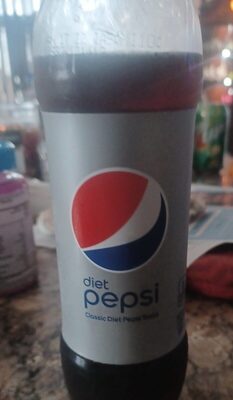
Diet pepsi
Halal Analysis
We recommend searching for certified Halal alternatives.
Pro Tip
Always double-check the label. Manufacturers change ingredients frequently without notice!