
Is Dijon Mustard Gluten Free?
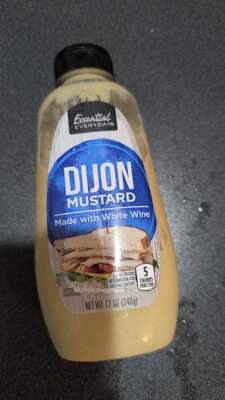
Yes, Dijon mustard is generally considered gluten-free. Based on a standard ingredient analysis, the core components—mustard seeds, water, vinegar, and salt—do not contain gluten. This makes it a safe and tangy condiment for those managing celiac disease or gluten sensitivity.
The Ingredient Breakdown
When determining if a condiment is safe for a gluten-free diet, we have to look beyond the obvious. The ingredients list for Dijon mustard is deceptively simple, but each component plays a role in the final safety verdict.
The primary ingredient is Mustard Seed. As a plant-based ingredient, mustard seeds are naturally free of gluten. This is the foundation of the condiment and poses no risk. Following this is Water and Salt, both of which are inherently gluten-free.
The acidity regulators are where questions often arise. Vinegar and Tartaric Acid are used to provide that signature sharpness. In the United States and the European Union, distilled vinegar is considered gluten-free because the distillation process removes the gluten proteins. Therefore, despite some vinegars being derived from barley or rye, the final product is safe. Citric Acid is another acidulant used, typically derived from fermentation of sugars, and is safe for celiacs.
Finally, we look at the flavor enhancers: White Wine, Turmeric, and Spices. While wine is fermented from grapes, there is a historical concern regarding 'fining' agents used in winemaking. However, modern winemaking rarely uses wheat-based fining agents, and even if trace amounts were present, they would be negligible. Turmeric is a root spice used for color, and Spices is a generic term for flavorings, neither of which contain gluten. Based on this breakdown, there are no red flags for gluten content.
Nutritional Value
Dijon mustard is a flavor powerhouse that is remarkably low in calories, making it an excellent choice for those watching their intake. A standard serving typically contains fewer than 5 calories. Because it is primarily composed of seeds and water, the fat content is minimal, though the mustard seeds do provide a small amount of healthy dietary fats.
Regarding sugar and carbohydrates, Dijon mustard is very low. It generally contains less than 1 gram of sugar per serving. This makes it suitable for low-carb and ketogenic diets. It is also naturally free of cholesterol and very low in sodium (though this can vary by brand, so checking the label is always wise for those on strict sodium restrictions).
From a health perspective, mustard seeds are rich in selenium and magnesium, and contain compounds called isothiocyanates, which have been studied for their anti-inflammatory properties. Therefore, Dijon mustard fits well into a heart-healthy, weight-conscious diet.
Frequently Asked Questions
Does Dijon Mustard contain dairy or gluten?
Is Dijon Mustard good for weight loss?
Where can I buy Dijon Mustard?
Is Dijon Mustard safe for kids?
Pro Tip
Always double-check the label. Manufacturers change ingredients frequently without notice!