
Is Dijon Mustard Halal?
No, traditional Dijon mustard is generally not considered Halal. While it seems like a simple condiment made from mustard seeds and vinegar, the inclusion of white wine in the classic recipe creates a significant issue for those adhering to strict Halal dietary guidelines. This article investigates the specific ingredients that cause this conflict and offers clarity on whether you should keep it in your pantry.
The Ingredient Breakdown
As a food scientist, I look at the label rather than the marketing on the jar. The standard ingredients list for Dijon mustard—Water, Mustard Seed, Vinegar, Salt, White Wine, Citric Acid, Turmeric, Tartaric Acid, and Spices—tells a specific story about its preparation and flavor profile.
The primary flag here is the White Wine. In the production of authentic Dijon mustard, white wine (or white wine vinegar) is essential for the unique sharpness and complex acidity that distinguishes it from standard yellow mustard. From a Halal perspective, the prohibition of alcohol is absolute. Even if the wine is cooked or pasteurized, the presence of the ingredient itself is often enough to render the product Haram (forbidden) for many scholars and consumers.
Furthermore, the Tartaric Acid listed is often derived from grape juice. While tartaric acid itself is chemically a byproduct of winemaking and is generally considered permissible, its source can sometimes be a point of contention depending on the certification body. However, the White Wine is the undeniable dealbreaker in this specific formulation.
Nutritional Value
From a nutritional standpoint, Dijon mustard is incredibly diet-friendly. It is very low in calories (typically less than 5 calories per teaspoon) and contains almost no fat or sugar. The Mustard Seed provides a small amount of fiber and selenium, while the Turmeric adds a trace amount of curcumin, a known anti-inflammatory compound.
Because it is low in sugar and carbohydrates, it fits easily into Keto, Paleo, and low-calorie weight loss diets. The high sodium content from the Salt is the only watch-out for those monitoring blood pressure, but the serving size is usually so small that it rarely impacts the daily limit significantly.
Frequently Asked Questions
Does Dijon Mustard contain dairy or gluten?
Is Dijon Mustard good for weight loss?
Where can I buy Dijon Mustard?
Is Dijon Mustard safe for kids?

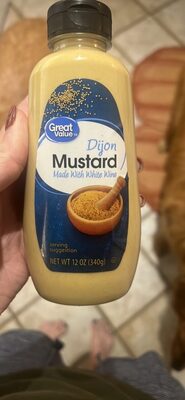
Dijon Mustard
Halal Analysis
We recommend searching for certified Halal alternatives.
Pro Tip
Always double-check the label. Manufacturers change ingredients frequently without notice!