
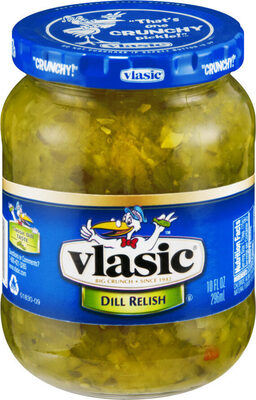
Is Dill Relish Kosher?
Yes, Dill Relish is kosher. Based on a detailed analysis of the ingredient list, this product contains no animal-derived ingredients or hidden non-kosher additives. It is generally considered safe for consumption under standard kosher dietary laws.
The Ingredient Breakdown
When determining if a processed food like Dill Relish is kosher, we have to look beyond the main vegetables. The devil is in the details, specifically the additives and processing agents. Let's look at the specific ingredients provided: Cucumbers, distilled vinegar, salt, calcium chloride, alum, dehydrated red pepper, xanthan gum, natural flavor, polysorbate 80, and Yellow 5.
First, the base ingredients are inherently kosher. Cucumbers are a vegetable, and while vegetables can sometimes carry insect concerns, commercial relishes are processed in a way that removes this risk. The distilled vinegar is a key point of concern for some, but in a kosher context, distilled vinegar is considered kosher regardless of the original source (which is usually grain) because the distillation process purifies it. Salt is always kosher unless it contains additives.
Next, we look at the firming agents and stabilizers. Calcium chloride and alum are mineral-based firming agents. They are inorganic and pose no kosher issues. Xanthan gum is a common thickener produced by bacterial fermentation of sugar; it is vegan and kosher. Polysorbate 80 is an emulsifier. While it can be derived from animal fats, in modern food manufacturing, it is almost exclusively derived from vegetable sources (specifically sorbitol and oleic acid). Without a specific flag indicating an animal source, it is considered acceptable. Finally, Yellow 5 (Tartrazine) is a synthetic color additive that is chemically kosher.
Nutritional Value
While we are focused on kosher status, it is helpful to understand the nutritional profile of Dill Relish. This condiment is very low in calories, typically containing only 5 to 10 calories per serving. It is also virtually fat-free. However, because it is a pickled product, it is high in sodium, often containing 100-150mg of sodium per tablespoon.
Regarding sugar, standard dill relish usually has very little added sugar compared to sweet pickle relish, making it a better choice for those watching their sugar intake. It fits well into most diet plans, including Keto and Paleo, as the carbohydrate count is negligible. It is a flavor enhancer that adds crunch and tang without significantly impacting your daily caloric limits.
Frequently Asked Questions
Does Dill Relish contain dairy or gluten?
Is Dill Relish good for weight loss?
Where can I buy Dill Relish?
Is Dill Relish safe for kids?

Pro Tip
Always double-check the label. Manufacturers change ingredients frequently without notice!