
Is elevation protein bar Kosher?
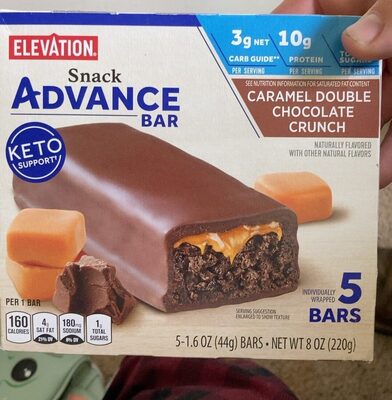
Yes, elevation protein bars are generally considered Kosher. Based on a detailed analysis of the ingredient list, there are no obvious non-Kosher animal derivatives or alcohol-based flavorings present. This article breaks down the ingredients, nutritional profile, and answers common dietary questions.
The Ingredient Breakdown
When determining if a processed food like the elevation protein bar is Kosher, we look for specific red flags. The primary ingredients are ISOLATED SOY PROTEIN and WHEY PROTEIN ISOLATE. Whey is a dairy byproduct. For a product to be Kosher, dairy ingredients must come from a Kosher-certified source and cannot be mixed with meat. Since there is no meat in this bar, the dairy aspect is generally acceptable provided the facility is certified.
The fats used, specifically PALM FAT and COCONUT OIL, are plant-based and inherently Kosher. The sweeteners, including MALTITOL and SUCRALOSE, are synthetic or sugar-alcohols that do not pose Kosher concerns. The ingredient LECITHINS is often derived from soy, which is safe, or sunflower. There is no indication of animal-derived lecithin here.
Finally, the flavorings are listed as NATURAL FLAVOR. While natural flavors can sometimes be derived from non-Kosher sources (like wine or certain animal extracts), in the context of a mass-market protein bar, they are typically plant-derived. The absence of gelatin, confectioner's glaze, or vanilla extract containing alcohol keeps this bar clear of major flags.
Nutritional Value
From a nutritional standpoint, the elevation protein bar is designed as a high-protein, moderate-calorie snack. It relies heavily on POLYDEXTROSE and INULIN for fiber content, which aids in satiety. The protein sources—ISOLATED SOY PROTEIN and WHEY PROTEIN ISOLATE—provide a complete amino acid profile, making it effective for muscle recovery.
Regarding sugars, the bar uses MALTITOL and SUCRALOSE. This keeps the net carbohydrate count lower than traditional candy bars, but Maltitol is known to cause digestive bloating in some individuals. The fat content comes from PALM and COCONUT OIL, which are saturated fats. While acceptable in moderation, those watching their heart health should note the source. Overall, it fits well within a low-carb or high-protein diet plan.
Frequently Asked Questions
Does elevation protein bar contain dairy or gluten?
Is elevation protein bar good for weight loss?
Where can I buy elevation protein bar?
Is elevation protein bar safe for kids?
Pro Tip
Always double-check the label. Manufacturers change ingredients frequently without notice!