
Is Fig spread Vegan?
The short answer is: **Maybe**. While the core ingredients in Fig spread—figs, sugar, citric acid, and pectin—appear plant-based, the strictness of your vegan diet matters. The primary concern lies in how the cane sugar is processed, which can sometimes involve bone char. Let's investigate the jar to see where the hidden non-vegan elements might be.
The Ingredient Breakdown
As a food scientist, I look past the marketing on the jar and go straight to the label. When analyzing a standard Fig spread, the ingredient list is deceptively simple. However, each component requires a closer look to determine if it aligns with a vegan lifestyle.
Figs: These are the star of the show. Figs are fruits, making them 100% vegan. They provide the natural sweetness and thick texture that defines the spread. No issues here.
Cane Sugar: This is the most controversial ingredient in the vegan world. On the surface, sugar is a plant product. However, many refined cane sugars are processed using bone char—charred animal bones—to filter the sugar and make it white. While the bone char doesn't end up in the final product, strict vegans often avoid sugar processed this way. Unless the label specifies 'Organic' or 'Unrefined' sugar, it is difficult to guarantee it is bone-char-free.
Citric Acid: This is used as an acidity regulator and preservative. Despite its name, citric acid is not derived from citrus fruits in industrial production. It is produced through the fermentation of molasses by a specific mold. Since it originates from plant sources and fungi, it is considered vegan.
Fruit Pectin: This is the gelling agent that thickens the spread. Pectin is a polysaccharide found in the cell walls of fruits, usually extracted from apples or citrus peels. It is entirely plant-derived and is a standard vegan thickener.
Nutritional Value
From a nutritional standpoint, Fig spread is a concentrated source of energy. It is high in carbohydrates due to the combination of fruit fructose and added cane sugar. A typical serving contains a significant amount of sugar, which provides a quick energy spike but can lead to a crash if eaten in excess.
Regarding fat content, this spread is virtually fat-free, making it a lower-fat alternative to butter or cream cheese. However, because it lacks protein and healthy fats, it doesn't offer much satiety. It fits well into a diet where you control portion sizes, but it should be treated as a condiment rather than a main food source. If you are monitoring your glycemic index, this product will likely spike your blood sugar due to the refined sugar content.
Frequently Asked Questions
Does Fig spread contain dairy or gluten?
Is Fig spread good for weight loss?
Where can I buy Fig spread?
Is Fig spread safe for kids?



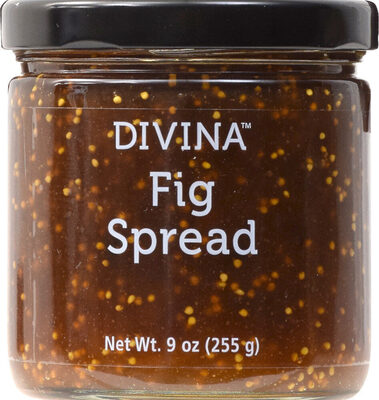
Fig spread
Vegan Analysis
We recommend searching for certified Vegan alternatives.
Pro Tip
Always double-check the label. Manufacturers change ingredients frequently without notice!