
Is Fruit and yogurt smoothies Halal?
The direct answer is MAYBE. While a standard fruit and yogurt smoothie sounds inherently Halal, specific additives used in mass production can compromise that status. The primary concern lies not in the fruit or dairy, but in ambiguous ingredients like 'natural flavor' which may contain alcohol or animal-derived enzymes.
The Ingredient Breakdown
As a food scientist, I look at the component parts of a product to determine its integrity. For a Fruit and yogurt smoothie, the base ingredients are generally safe, but the processing aids are where we must be vigilant.
Peaches, Pears, and Raspberries: These are whole fruits. In their natural state, they are 100% Halal. There is no concern here regarding sourcing or processing.
Cultured Nonfat Milk: This is essentially yogurt. The fermentation process uses bacterial cultures. While some strict interpretations debate the source of these cultures, the vast majority of Halal certifying bodies consider standard dairy cultures permissible. This ingredient is generally safe.
Pectin: This is a plant-derived thickening agent, usually extracted from citrus peels or apples. It is a plant-based carbohydrate and is universally accepted as Halal.
Natural Flavor (The Flag): This is the most critical ingredient in the list. In the food industry, 'Natural Flavor' can legally include compounds derived from animal sources (like castoreum from beavers) or alcohol-based extracts used for aroma. If the manufacturer uses vanilla or fruit extracts processed with ethanol, the smoothie may not be Halal unless the alcohol has fully evaporated or the source is verified.
Nutritional Value
From a nutritional standpoint, fruit and yogurt smoothies are a mixed bag. They provide a decent source of calcium and vitamin C due to the dairy and fruit content. The protein content is moderate, largely coming from the nonfat milk and yogurt cultures.
However, consumers should be mindful of the sugar content. Even without added refined sugar, the fruit puree concentrate and natural fruit sugars (fructose) can spike blood glucose levels. If you are monitoring your caloric intake, this smoothie should be treated as a snack or a meal replacement rather than a low-calorie beverage.
Frequently Asked Questions
Does Fruit and yogurt smoothies contain dairy or gluten?
Is Fruit and yogurt smoothies good for weight loss?
Where can I buy Fruit and yogurt smoothies?
Is Fruit and yogurt smoothies safe for kids?

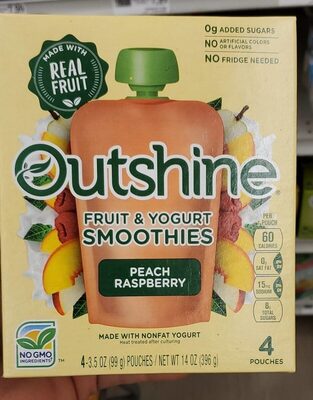
Fruit and yogurt smoothies
Halal Analysis
We recommend searching for certified Halal alternatives.
Pro Tip
Always double-check the label. Manufacturers change ingredients frequently without notice!