
Is Fruit snacks Gluten Free?
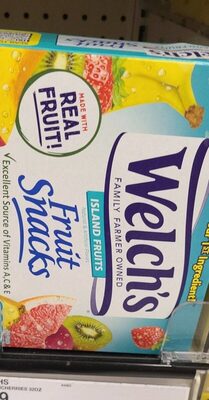
Yes, the fruit snacks in question are gluten-free. Based on a detailed analysis of the ingredient list, there are no wheat, barley, rye, or hidden gluten derivatives present. This makes them a safe treat option for those managing celiac disease or gluten sensitivity.
The Ingredient Breakdown
When determining if a processed snack is safe for a gluten-free diet, we have to look beyond the obvious fruit flavors. Gluten hides in starches, flavorings, and texturizers. In this specific formulation, the manufacturer has utilized safe alternatives, making the product compliant with gluten-free standards.
The primary binder in these snacks is gelatin and pectin. Unlike some gummy candies that use wheat-based starches or oat flour to achieve their chewy texture, these ingredients are derived from animal collagen and fruit, respectively. Neither contains gluten. Furthermore, the starches listed—modified corn starch and modified tapioca starch—are specifically derived from corn and cassava root. These are naturally gluten-free grains and are safe replacements for wheat starch.
Another area of concern for gluten-free consumers is often natural and artificial flavors. While these proprietary blends can sometimes contain gluten carriers (like malt flavoring), the absence of any wheat ingredients in the full list suggests these flavors are fruit-derived or chemically synthesized without gluten proteins. Finally, the coloring agents (Red 40, Blue 1, Annatto) and acids (Citric Acid) are synthetic or plant-based and pose no gluten risk.
Nutritional Value
While these fruit snacks pass the gluten-free test, they function primarily as a confectionary treat rather than a significant nutritional source. The ingredient list is dominated by sweeteners, specifically corn syrup and sugar. This places them high on the glycemic index, meaning they can spike blood sugar levels rapidly despite the fruit content.
In terms of micronutrients, the manufacturer has fortified the product with vitamins, specifically Ascorbic Acid (Vitamin C), Vitamin A Palmitate, and Alpha Tocopherol Acetate (Vitamin E). While this adds some nutritional value, it does not offset the high sugar content. The presence of coconut oil adds a small amount of fat, but the calorie count is largely driven by carbohydrates. For those strictly monitoring sugar intake or following a ketogenic diet, these snacks would likely be considered too high in carbs to fit within daily limits.
Frequently Asked Questions
Does Fruit snacks contain dairy or gluten?
Is Fruit snacks good for weight loss?
Where can I buy Fruit snacks?
Is Fruit snacks safe for kids?
Pro Tip
Always double-check the label. Manufacturers change ingredients frequently without notice!