
Is Gatorade Orange Vegan? An Investigative Breakdown
The short answer is: **Maybe**. While Gatorade Orange contains no obvious animal products like milk or gelatin, strict vegans should be aware of two specific ingredients that cause debate. Here is the full breakdown of why this popular sports drink sits in a gray area.
The Ingredient Breakdown
When analyzing the label of Gatorade Orange, most ingredients are chemically inert and plant-derived. However, as a food scientist, I look for the nuance in sourcing. There are three specific ingredients that require a closer look to determine if this drink aligns with a strict vegan lifestyle.
Sugar: This is the most common gray area. While sugar itself is a plant product (from sugarcane or beets), the processing method matters. In the United States, some refined white sugar is processed using bone char—ground animal bones—to filter and bleach the sugar crystals. Because Gatorade does not specify that they use only organic or unrefined sugar, strict vegans often flag this ingredient.
Natural Flavor: This is the most mysterious ingredient on any label. The FDA allows the term "natural flavor" to cover a wide range of plant and animal derivatives. While the "natural flavor" in Gatorade Orange is almost certainly derived from orange oils or terpenes to mimic the fruit, the term itself is too vague for the strictest vegans to accept without manufacturer confirmation.
Glycerol Ester of Rosin: This ingredient often confuses people. Despite the name "rosin," which comes from pine trees, the "glycerol" component is the variable. Glycerol can be sourced from animal fats, petroleum, or plants. In the context of mass-market sports drinks, it is typically plant-derived or synthetic, but it remains a point of investigation for those avoiding all animal byproducts.
Nutritional Value
Gatorade Orange is formulated specifically for athletic performance, not necessarily for general health. A standard 20oz bottle contains 34 grams of sugar and 140 calories. This high sugar content is designed to spike insulin and replenish glycogen stores rapidly during intense exercise.
From a dietary standpoint, if you are sedentary, this amount of sugar is significant and can contribute to weight gain. However, for an athlete sweating out electrolytes, the sodium (270mg) and potassium (80mg) content is beneficial for hydration. It fits the limits of a high-intensity workout regimen but is generally considered too sugary for a standard daily diet.
Frequently Asked Questions
Does Gatorade Orange contain dairy or gluten?
Is Gatorade Orange good for weight loss?
Where can I buy Gatorade Orange?
Is Gatorade Orange safe for kids?

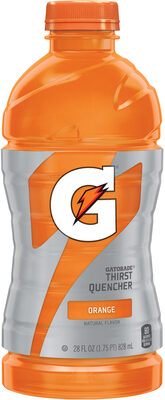
Gatorade Orange
Vegan Analysis
We recommend searching for certified Vegan alternatives.
Pro Tip
Always double-check the label. Manufacturers change ingredients frequently without notice!