
Is Gelatin dessert Vegan?
No, Gelatin dessert is not vegan. While it offers a sweet, fruity taste and a fun, wobbly texture, the core ingredient that gives it that structure is strictly animal-derived. If you are following a plant-based diet, you need to avoid this specific brand of dessert mix.
The Ingredient Breakdown
When analyzing whether a processed food fits a vegan lifestyle, we have to look beyond the marketing and dive into the chemistry. For Gelatin dessert, the verdict is determined almost entirely by one specific ingredient, though a few others warrant a closer look for those avoiding all animal products or artificial additives.
The primary flag here is gelatin. This is the structural backbone of the dessert. Gelatin is a translucent, colorless brittle substance derived from the partial hydrolysis of collagen extracted from the skin, bones, and connective tissues of animals. In the context of mass-produced food, this almost always comes from pigs (porcine) or cows (bovine). It acts as a gelling agent, turning the liquid mixture into a solid state when cooled. Because it is an animal byproduct, it is strictly non-vegan and not even vegetarian.
There are also a few additives that, while not animal-derived in this specific formulation, are worth noting. Aspartame and acesulfame potassium are artificial non-nutritive sweeteners. While chemically vegan, some strict vegans avoid aspartame due to the historical controversy regarding animal testing, though it is not an animal product. BHA (butylated hydroxyanisole) is a synthetic antioxidant used as a preservative. It is chemically synthesized, so it is technically vegan, but it is often flagged by health-conscious consumers as a potentially harmful additive.
Finally, the dimethylpolysiloxane is a silicone-based anti-foaming agent. It is often used in food processing to prevent foaming during boiling or mixing. It is chemically inert and vegan, serving purely as a processing aid to ensure the texture remains smooth.
Nutritional Value
From a nutritional standpoint, Gelatin dessert is essentially a source of empty calories. It is designed to be a treat rather than a source of sustenance. A standard serving contains very little protein, despite being made of animal collagen; the processing destroys most of the amino acid profile, rendering the protein content negligible.
The bulk of the calories in this product come from the modified corn starch and the artificial sweeteners. Because it uses aspartame and acesulfame potassium, the sugar content is zero, and the calorie count is very low (usually under 10 calories per serving). This makes it popular for low-carb and keto diets. However, the lack of nutritional density means it offers no vitamins, minerals, or fiber. It is purely a sweet indulgence with no real health benefits.
Frequently Asked Questions
Does Gelatin dessert contain dairy or gluten?
Is Gelatin dessert good for weight loss?
Where can I buy Gelatin dessert?
Is Gelatin dessert safe for kids?
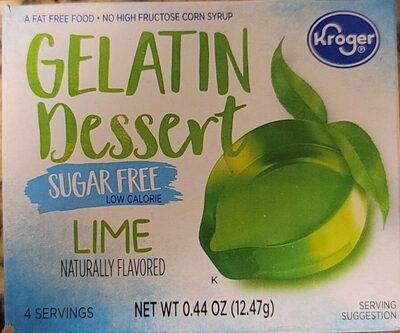
Gelatin dessert
Vegan Analysis
We recommend searching for certified Vegan alternatives.
Pro Tip
Always double-check the label. Manufacturers change ingredients frequently without notice!