
Is Glowberry Vegan? A Food Scientist's Deep Dive
Is Glowberry vegan? The short answer is MAYBE. While the ingredients list appears free of obvious animal products like meat or dairy, the inclusion of ambiguous 'natural flavor' and specific vitamin sources creates a gray area for strict vegans. This article breaks down exactly why this popular drink sits on the fence.
The Ingredient Breakdown
When determining if a product like Glowberry is truly vegan, we have to look beyond the front-of-bottle marketing and inspect the chemistry. As a food scientist, I look for hidden animal derivatives that often hide in plain sight under vague names.
The first potential hurdle is natural flavor. This is the industry's most notorious ambiguous ingredient. While it often refers to plant-derived essences, it can technically be derived from animal sources depending on the manufacturer's proprietary process. Without specific disclosure from the brand, we cannot guarantee it is 100% plant-based.
Next, we have to examine the vitamins. Glowberry contains Retinyl Palmitate (Vitamin A) and Cyanocobalamin (Vitamin B12). While synthetic versions of these vitamins are widely available, the specific forms listed—Retinyl Palmitate and Cyanocobalamin—are often derived from animal sources or synthesized using animal products in the processing stage. Retinyl Palmitate is a pre-formed Vitamin A, which is distinct from the beta-carotene found in plants, making it a red flag for many vegans.
On the safer side, the amino acids L-Isoleucine, L-Leucine, and L-Valine are generally vegan. These are essential amino acids usually produced via bacterial fermentation, not animal extraction. Similarly, the sweeteners like Sucralose and Acesulfame Potassium are synthetic and vegan. The base ingredients—water, coconut water, and citric acid—are obviously plant-derived.
Ultimately, while Glowberry avoids obvious animal products like gelatin or milk, the ambiguity of the 'natural flavor' and the sourcing of the Vitamin A and B12 prevent us from giving it a definitive 'Yes'.
Nutritional Value
From a nutritional standpoint, Glowberry is designed as a hydration and recovery beverage. The inclusion of three essential amino acids (BCAAs) suggests it targets fitness enthusiasts looking to support muscle repair.
The calorie count is generally low, making it a viable alternative to sugary sodas or juices. However, the reliance on artificial sweeteners like Sucralose and Acesulfame Potassium is worth noting. While these allow for a sweet taste without the calories, some individuals prefer to avoid artificial sweeteners entirely.
Regarding sugar content, the use of coconut water from concentrate provides some natural electrolytes, but the overall glycemic impact is mitigated by the non-nutritive sweeteners. It fits well within the limits of a low-calorie diet, but if you are strictly avoiding artificial additives, this might be a dealbreaker.
Frequently Asked Questions
Does Glowberry contain dairy or gluten?
Is Glowberry good for weight loss?
Where can I buy Glowberry?
Is Glowberry safe for kids?

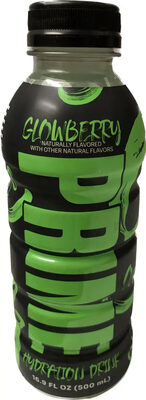
Glowberry
Vegan Analysis
We recommend searching for certified Vegan alternatives.
Pro Tip
Always double-check the label. Manufacturers change ingredients frequently without notice!