
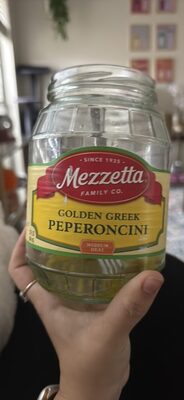
Is Golden Greek Peperoncini Gluten Free?
Yes, Golden Greek Peperoncini are gluten-free. Based on the ingredient label, there are no wheat, barley, rye, or hidden gluten derivatives used in the pickling process. This makes them a safe and tangy option for those managing celiac disease or gluten sensitivity.
The Ingredient Breakdown
When determining if a pickled pepper is safe for a gluten-free diet, we have to look beyond the pepper itself. The brine and additives are where potential issues often hide. Fortunately, the ingredient list for Golden Greek Peperoncini is surprisingly clean regarding gluten risks.
The primary ingredients are Peppers, Water, and Distilled Vinegar. Distilled vinegar is a common point of confusion. While it can be derived from grains like corn or wheat, the distillation process chemically removes the gluten protein. Therefore, even if the vinegar started as a gluten grain, the final product is considered safe by the FDA and Celiac Disease Foundation.
Next, we have Sea Salt and Citric Acid. Both are naturally gluten-free minerals and acids often used to adjust flavor and acidity levels in pickling. The potential red flags usually appear with preservatives or coloring agents. Here, we see Sodium Bisulfite and FD&C Yellow #5.
Sodium Bisulfite is used as a color stabilizer to keep the peppers looking vibrant and fresh. It is a sulfite compound, not a gluten protein, and is safe for celiacs (though those with severe sulfite sensitivities should be cautious). FD&C Yellow #5 (Tartrazine) is a synthetic color additive. While some people avoid artificial dyes due to allergies or hyperactivity concerns, it is strictly synthetic and contains no gluten. There is no wheat starch used as a thickener, and no malt vinegar used in the brine.
Nutritional Value
Golden Greek Peperoncini are a dieter's dream when it comes to calorie density. A standard serving (approximately one pepper) contains roughly 5 to 10 calories. This makes them an excellent 'free food' for volume eaters—people who want to eat a large quantity of food without consuming excess energy.
Because they are pickled, the sodium content is the most significant nutritional consideration. You can expect around 200mg to 300mg of sodium per pepper. If you are on a low-sodium diet or managing blood pressure, you should consume them in moderation. However, the fat and sugar content are negligible. They fit perfectly into Keto, Paleo, and Whole30 diets, provided you monitor your sodium intake.
Frequently Asked Questions
Does Golden Greek Peperoncini contain dairy or gluten?
Is Golden Greek Peperoncini good for weight loss?
Where can I buy Golden Greek Peperoncini?
Is Golden Greek Peperoncini safe for kids?
Pro Tip
Always double-check the label. Manufacturers change ingredients frequently without notice!