
Is Granola Halal?
Is Granola Halal? The direct answer is MAYBE. While this specific granola blend is packed with wholesome oats, seeds, and nuts, there is one specific ingredient that requires a closer look: the vanilla extract. Before you pour a bowl, it is essential to understand why this common baking ingredient can sometimes make a product unsuitable for a Halal diet.
The Ingredient Breakdown
When analyzing a granola blend for Halal compliance, we look beyond the obvious oats and nuts. The primary concern in this specific recipe is not the fat source or the sweetener, but the flavoring agent.
The main flag in this product is pure vanilla extract. To be considered strictly Halal, vanilla extract must be free from alcohol. Traditional vanilla extract is made by macerating vanilla beans in a solution of ethyl alcohol and water. While some scholars argue that the alcohol is used solely for extraction and evaporates during baking, others maintain that any product containing alcohol is impermissible. Because granola is typically baked at lower temperatures than cakes or cookies, the alcohol may not fully cook off.
Fortunately, the rest of the ingredients are excellent. Rolled oats are naturally Halal, though they are often processed in facilities that handle wheat, creating a risk of cross-contamination if you have Celiac disease. The fats used here are expeller-pressed non-GMO canola oil and fats from almonds and coconut, all of which are plant-based and permissible. The sweeteners, brown sugar and apple juice concentrate, are also safe.
Finally, the protein and texture come from quinoa, sunflower seeds, and flax seeds. None of these pose Halal concerns. The verdict rests entirely on whether the manufacturer used alcohol-based vanilla or a glycerin-based alternative.
Nutritional Value
From a nutritional standpoint, this granola is a powerhouse of ingredients. It relies on rolled oats and quinoa for complex carbohydrates and fiber, which provide sustained energy rather than a sugar crash. The inclusion of almonds, sunflower seeds, and ground flax seeds significantly boosts the healthy fat content, specifically Omega-3 fatty acids from the flax.
However, consumers should be mindful of the sugar content. Even though the sugar comes from brown sugar and apple juice, granola is calorie-dense. A standard serving can easily range from 200 to 300 calories, with a significant portion coming from fats (even healthy ones) and sugars. It fits well into a balanced diet as a topping for yogurt or a breakfast cereal, but portion control is key to avoiding excessive calorie intake.
Frequently Asked Questions
Does Granola contain dairy or gluten?
Is Granola good for weight loss?
Where can I buy Granola?
Is Granola safe for kids?
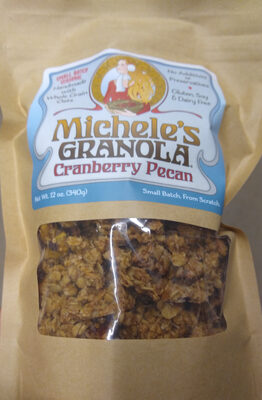
Granola
Halal Analysis
We recommend searching for certified Halal alternatives.
Pro Tip
Always double-check the label. Manufacturers change ingredients frequently without notice!