
Is Grape Juice Halal?
Yes, grape juice is generally considered Halal. Based on a detailed analysis of standard ingredients found in popular brands, there are no flags for alcohol, animal by-products, or other Haram substances. This article explores the science behind the ingredients to confirm why this beverage fits within Halal dietary guidelines.
The Ingredient Breakdown
When determining if a product is Halal, the focus shifts immediately to the ingredient list. For a standard bottle of grape juice, the composition is surprisingly simple and plant-derived. Let's look at the specific components often found in shelf-stable grape juice.
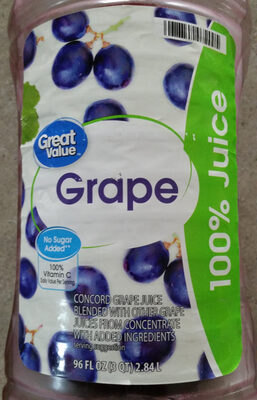
The primary ingredient is GRAPE JUICE FROM CONCENTRATE. This simply means that water has been removed from the juice to reduce shipping weight, and then water is added back at the factory. The grape itself is a fruit, which is naturally Halal. There is no fermentation process involved in the production of juice that would result in alcohol, which is a key concern for grape products in Islamic dietary laws.
Next, we see ASCORBIC ACID (VITAMIN C). Despite the chemical name, this is a purely plant-derived antioxidant. It is usually synthesized from corn or tapioca starch. It serves to preserve the color of the juice and boost nutritional value. It is entirely vegan and Halal.
Finally, CITRIC ACID is used to adjust the tartness. Like Ascorbic Acid, modern Citric Acid is produced through the fermentation of molasses or corn by a specific mold (Aspergillus niger). It is a microbial process, not an animal one. There is no swine or bovine involvement, making it safe for consumption. Therefore, the chemical profile of this juice poses no Halal flags.
Nutritional Value
While the Halal status is confirmed, the nutritional profile is equally important for a holistic view. Grape juice is energy-dense, primarily due to its natural sugar content. A standard cup contains roughly 150 calories, almost entirely from carbohydrates (about 37-40 grams of sugar).
Because it lacks significant fiber, the sugar in grape juice can cause a rapid spike in blood glucose levels. While it fits into a Halal diet, it should be consumed in moderation, particularly by those managing their sugar intake. It is low in fat and protein but offers a decent amount of potassium and Vitamin C. It fits standard dietary limits as a beverage choice, provided it is not the sole source of hydration.
Frequently Asked Questions
Does Grape Juice contain dairy or gluten?
Is Grape Juice good for weight loss?
Where can I buy Grape Juice?
Is Grape Juice safe for kids?

Pro Tip
Always double-check the label. Manufacturers change ingredients frequently without notice!