
Is Grapefruit “Paloma” Keto?
No, the standard Grapefruit “Paloma” beverage is not considered keto-friendly. While it boasts an intriguing blend of tea infusions and adaptogens, the inclusion of agave and fruit juice concentrates creates a sugar load that can easily disrupt ketosis. If you are strictly tracking your carbohydrate intake, this drink is one to skip.
The Ingredient Breakdown
As a food scientist, I look past the marketing claims and straight at the ingredient label. The composition of the Grapefruit “Paloma” tells a clear story about why it fails the keto test. While it contains some excellent functional ingredients, the sweeteners used are the primary obstacle.
The first major flag is the inclusion of agave. Many consumers view agave as a 'natural' and therefore healthier sweetener, but from a macronutrient perspective, it is detrimental to a ketogenic diet. Agave is primarily composed of fructose. Unlike glucose, fructose does not stimulate insulin production in the same way, but it is still a carbohydrate that adds to your daily total. More importantly, the glycemic load, while lower in some contexts, still contributes to the overall sugar count that knocks you out of ketosis. On keto, we aim for zero to negligible sugars, and agave is a concentrated source.
Next, we have the red rio grapefruit juice concentrate and pear juice concentrate. Fruit concentrates are essentially dehydrated sugar. Even though they come from fruit, the processing removes the fiber that normally helps slow down sugar absorption. This results in a rapid influx of carbohydrates. The combination of these two concentrates with the agave creates a triple threat of sugar sources that makes the carb count skyrocket.
Finally, we must look at the functional ingredients. The drink includes guayusa extract, L-theanine powder, and lemon balm powder. These are fascinating additions. Guayusa is a caffeine-containing leaf from the holly family, providing energy without the jitters often associated with coffee. L-theanine and lemon balm are known for promoting focus and relaxation, respectively. These ingredients are perfectly fine for keto and actually offer great synergy for mental clarity. However, they do not offset the metabolic impact of the sweeteners.
Nutritional Value
When evaluating a beverage for keto, we look at the net carbohydrates per serving. While specific label data can vary slightly by batch, the presence of multiple juice concentrates and agave suggests a sugar content that is far too high for a standard keto limit. A strict ketogenic diet usually caps net carbs at 20-30 grams per day. A single serving of a drink like this could easily consume 15-20 grams of that allowance, leaving very little room for nutrient-dense vegetables or proteins.
The calorie count is likely moderate, as the drink is mostly water, but on keto, calories are secondary to carbohydrate source. The 'energy' provided by this drink comes from sugar (the juice) and caffeine (the guayusa). This creates a blood sugar spike followed by a crash, which is the exact energy rollercoaster that the keto diet aims to eliminate. For sustained energy, a keto dieter relies on fat adaptation, not sugar metabolism.
Frequently Asked Questions
Does Grapefruit “Paloma” contain dairy or gluten?
Is Grapefruit “Paloma” good for weight loss?
Where can I buy Grapefruit “Paloma”?
Is Grapefruit “Paloma” safe for kids?


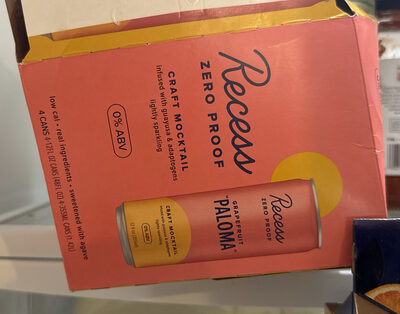
Grapefruit “Paloma”
Keto Analysis
We recommend searching for certified Keto alternatives.
Pro Tip
Always double-check the label. Manufacturers change ingredients frequently without notice!