
Is Greek Dressing Gluten Free?
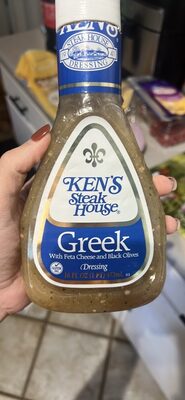
Yes, standard Greek Dressing is gluten-free. After analyzing the ingredient label, we found no wheat, barley, rye, or hidden gluten sources. However, while it is safe for those with Celiac disease, it is important to note that this dressing contains dairy and soy, which are not part of a strict dairy-free or soy-free diet.
The Ingredient Breakdown
When determining if a bottled dressing is safe for a gluten-free diet, we look for the obvious culprits like wheat flour or malt vinegar, but also hidden sources like modified food starch or maltodextrin. Fortunately, the ingredient profile for this dressing is surprisingly safe regarding gluten. The base consists of water, a blend of vegetable oils (soybean and/or canola), and a mix of apple cider vinegar and red wine vinegar. Unlike malt vinegar, which is derived from barley and contains gluten, these vinegars are distilled and safe for Celiacs.
The thickening agents used here are xanthan gum and corn starch. Xanthan gum is a common gluten-free thickener produced by fermentation, and corn starch is naturally free of gluten. We also see preservatives like potassium sorbate and sodium benzoate, which are chemically synthesized and do not contain gluten. Even the flavor enhancers, monosodium glutamate (MSG) and disodium inosinate, are gluten-free amino acids.
However, there are other allergens present. The dressing contains feta cheese and Romano cheese, making it unsuitable for dairy-free diets. It also lists soybean oil, a major allergen. Additionally, the ingredient anchovies is present, which is a key component of the savory 'umami' flavor profile but is strictly off-limits for those with fish allergies. Finally, the mustard flour included is a common thickener and spice in these dressings and is naturally gluten-free.
Nutritional Value
While this dressing is safe from a gluten perspective, it is important to monitor the nutritional content if you are using it liberally. A standard serving size (usually two tablespoons) typically contains between 100 and 130 calories, almost entirely derived from the vegetable oil and olive oil. This makes it a high-fat condiment, though the fats are primarily unsaturated (from the olive oil) which are considered heart-healthy.
The carbohydrate count is low, usually around 1 to 2 grams per serving. The sugar listed in the ingredients contributes to this, but the amounts are generally negligible unless you are on a strict keto or low-carb diet. The sodium content is the most significant nutritional concern, as is typical with brined olives and added salt. If you are monitoring your blood pressure or sodium intake, you should measure your portions carefully. Overall, it fits well into a standard diet but should be used in moderation due to the calorie density of the oil base.
Frequently Asked Questions
Does Greek Dressing contain dairy or gluten?
Is Greek Dressing good for weight loss?
Where can I buy Greek Dressing?
Is Greek Dressing safe for kids?


Pro Tip
Always double-check the label. Manufacturers change ingredients frequently without notice!