
Is Greek Dressing Halal?
The direct answer is no; standard Greek dressing is generally not considered Halal. While the base ingredients like oil and vinegar seem harmless, the specific inclusion of red wine vinegar and cheese cultures creates a compliance issue for strict Halal diets. This article investigates exactly which ingredients are problematic and why.
The Ingredient Breakdown
When analyzing a complex dressing like this, we have to look beyond the obvious. The primary issue for Halal certification isn't the anchovies (which are seafood and generally permissible) or the feta cheese (milk is Halal), but rather the processing agents and hidden alcohol sources.
The most significant flag is the red wine vinegar. While food scientists often argue that the acetic acid fermentation process eliminates alcohol, traditional Islamic jurisprudence (Fiqh) regarding Khamr (intoxicants) is strict. Many scholars prohibit the use of wine even after it has been transformed into vinegar, making this ingredient a dealbreaker for many Halal consumers.
Furthermore, the cheese cultures listed in the feta and Romano cheeses are a hidden concern. In the food industry, microbial rennet is sometimes grown on animal-derived substrates. Unless the manufacturer specifies vegetable-based or microbial rennet, the enzymes used to coagulate the milk could be derived from pork or non-Halal beef.
Finally, the yeast extract and natural flavor are catch-all terms. Yeast extract can sometimes be processed with alcohol as a solvent. The 'natural flavor' contains celery, which is safe, but the ambiguity of the source prevents a clean Halal verdict without certification.
Nutritional Value
From a nutritional standpoint, this dressing is a mixed bag. It is high in fat due to the blend of vegetable oil and olive oil, providing roughly 140 calories per serving. While olive oil is heart-healthy, the caloric density means portion control is essential if you are managing your weight.
The sodium content is also quite high, driven by the salt, feta cheese, and preservatives like sodium benzoate. This is typical for dressings but something to watch if you have blood pressure concerns. Additionally, the inclusion of sugar and monosodium glutamate (MSG) adds to the flavor profile but contributes to empty calories and potential bloating. It fits into a standard diet in moderation, but it is not a 'health food'.
Frequently Asked Questions
Does Greek Dressing contain dairy or gluten?
Is Greek Dressing good for weight loss?
Where can I buy Greek Dressing?
Is Greek Dressing safe for kids?
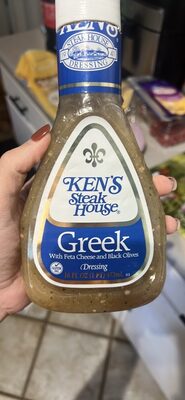
Greek Dressing
Halal Analysis
We recommend searching for certified Halal alternatives.
Pro Tip
Always double-check the label. Manufacturers change ingredients frequently without notice!