
Is Greek Pita Keto? A Food Scientist's Verdict
No, Greek pita is not keto-friendly. While the name suggests a Mediterranean diet staple, the ingredient label tells a different story dominated by refined flours and hidden sugars. If you are strictly following a ketogenic lifestyle, this bread product will likely kick you out of ketosis.
The Ingredient Breakdown
To understand why this pita fails the keto test, we need to look past the marketing and analyze the chemistry. As a food scientist, I look at the first five ingredients, as these constitute the bulk of the product. Unfortunately, Greek pita leads with the exact compounds a keto dieter must avoid.
The primary culprit is Enriched Flour. Specifically, this is wheat flour combined with malted barley flour. This is a highly refined carbohydrate source. On a molecular level, this flour is rapidly broken down into glucose (sugar) upon digestion. For a diet that restricts carbohydrates to under 20-50 grams per day, a single serving of this pita, which is essentially pure starch, consumes a massive portion of your daily allowance.
Next, we must address the Sugar listed in the ingredients. You will notice sugar appears twice: once in the main list and again in the "less than 2%" section. Manufacturers often split sugar sources (like sugar and sugarcane fiber) to push them lower on the ingredient list, but the total carbohydrate count remains high. This added sugar provides empty calories and causes an immediate insulin spike, the exact hormonal response the keto diet aims to minimize.
Finally, the presence of Soybean Oil and preservatives like Calcium Propionate raises questions about processing. While soybean oil is technically keto-compliant in small amounts, it is an industrial seed oil often linked to inflammation. The real issue here is the lack of healthy fats. A true "keto bread" should be formulated with almond or coconut flour and healthy fats to mimic the macronutrient ratio of the diet. This pita is a high-carb, low-fat product, the antithesis of keto nutrition.
Nutritional Value
From a nutritional standpoint, Greek pita aligns with standard processed bread, not a functional keto food. Based on the label provided (2.8oz serving), the carbohydrate load is significant. Even if the label lists "net carbs," the source of those carbs matters. Refined wheat flour creates a high glycemic response, meaning your body treats it almost like pure sugar.
The fat content is negligible. Keto is not just about low carbs; it is about high fat. This pita lacks the lipid profile necessary to sustain ketone production. Furthermore, the calorie density is high relative to the satiety it provides. You will likely feel hungry again soon after eating it because the lack of fiber and fat fails to trigger satiety hormones effectively. While the enrichment adds vitamins like Niacin and Folic Acid, these synthetic additives do not offset the metabolic damage caused by the refined carbohydrates.
Frequently Asked Questions
Does Greek pita contain dairy or gluten?
Is Greek pita good for weight loss?
Where can I buy Greek pita?
Is Greek pita safe for kids?



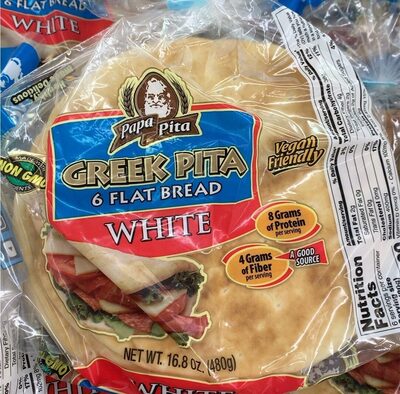
Greek pita
Keto Analysis
We recommend searching for certified Keto alternatives.
Pro Tip
Always double-check the label. Manufacturers change ingredients frequently without notice!