
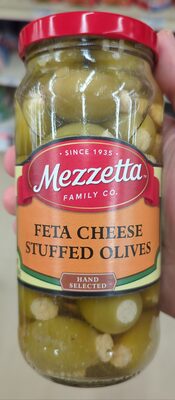
Is Greek-Style Feta Cheese Stuffed Olives Keto?
Yes, Greek-Style Feta Cheese Stuffed Olives are generally considered keto-friendly. These savory bites are low in carbohydrates and high in fat, aligning perfectly with the macronutrient requirements of a ketogenic diet. However, as with any processed food, the specific additives and nutritional profile warrant a closer look to ensure they fit your daily limits.
The Ingredient Breakdown
As a food scientist, I always look beyond the marketing claims to the chemical composition of the product. When analyzing these olives, the primary concern for a keto dieter isn't the Olives themselves—these are naturally low-carb and rich in healthy monounsaturated fats—but rather the stuffing and the preservatives used to maintain shelf stability.
The Greek Style Feta Cheese is the star here. While real feta is a simple mix of milk, salt, and enzymes, this processed version includes sodium phosphate and sorbic acid. Sodium phosphate is an emulsifier that keeps the cheese texture smooth and prevents it from separating in the brine. Sorbic acid is a preservative to inhibit mold growth. Neither of these impacts ketosis, but they are markers of a highly processed food product rather than artisanal cheese.
The texture of the stuffing relies on sodium alginate and xanthan/guar gum. These are hydrocolloids used to thicken and stabilize the paste so it doesn't dissolve in the salty water brine. While these are technically carbohydrates, the quantity used is microscopic, usually less than 1% of the formula, meaning the net carb impact is negligible.
Finally, we must address sodium metabisulfite. This is added as a color stabilizer to prevent the olives from oxidizing and turning brown. While it is keto-compliant, it is a sulfur-based compound that can trigger sensitivities in some individuals, particularly those with asthma. It does not, however, contain sugar or carbohydrates.
Nutritional Value
From a nutritional standpoint, these stuffed olives are a high-fat, low-carb dream, but they come with a significant caveat: sodium. A standard serving typically contains between 2 to 4 grams of total fat, which is excellent for meeting your macro goals. The carbohydrates usually hover around 1 gram per serving, with the majority of that coming from the fiber in the olive itself, resulting in a net carb count that is effectively zero.
The caloric density is relatively low per individual olive, allowing you to eat a handful as a snack without blowing your calorie budget. However, the sea salt and calcium chloride content drives the sodium count very high. While sodium is necessary on keto to prevent the 'keto flu' and maintain electrolyte balance, relying on processed olives for this can lead to excessive intake, potentially causing water retention or high blood pressure in sensitive individuals.
Regarding the lactic acid mentioned in the ingredients, this is used to lower the pH of the brine, enhancing flavor and safety against bacteria. It adds a tartness but contributes zero net carbohydrates. Overall, the nutritional profile fits the keto diet perfectly, provided you manage your overall sodium intake from other sources throughout the day.
Frequently Asked Questions
Does Greek-Style Feta Cheese Stuffed Olives contain dairy or gluten?
Is Greek-Style Feta Cheese Stuffed Olives good for weight loss?
Where can I buy Greek-Style Feta Cheese Stuffed Olives?
Is Greek-Style Feta Cheese Stuffed Olives safe for kids?
Pro Tip
Always double-check the label. Manufacturers change ingredients frequently without notice!