
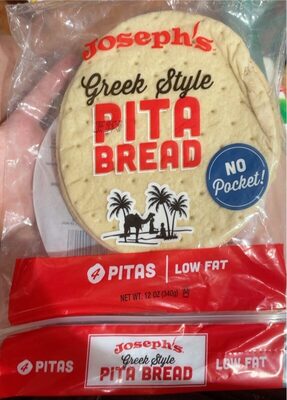
Is Greek Style Pita Kosher?
Yes, Greek Style Pita is considered kosher. Based on a detailed analysis of the ingredient list, there are no animal-derived ingredients or obvious non-kosher additives present. This makes it a suitable option for those keeping a kosher diet, provided it has the appropriate certification symbol on the packaging.
The Ingredient Breakdown
When determining if a processed food like Greek Style Pita is kosher, we have to look beyond the main ingredients and investigate the additives. The base of this pita is standard: Enriched Wheat Flour, water, yeast, and oil. However, the complexity lies in the leavening agents and dough conditioners.
One of the most scrutinized ingredients in bread products is L-Cysteine. Historically, this dough conditioner could be derived from animal sources like duck feathers or human hair, which would render it non-kosher. However, the version used in this specific product is labeled as plant-based, which is the kosher standard for this additive today. This is a crucial green flag.
We also need to look at the enzymes. Enzymes are used to improve dough texture and shelf life. While enzymes can sometimes be derived from animal sources (like rennet), they are more commonly derived from fungal or bacterial sources in modern baking. Without a specific animal designation, and given the plant-based nature of the L-Cysteine, it is highly likely these enzymes are from a kosher-compliant source. The preservatives listed, such as Calcium Propionate and Potassium Sorbate, are synthetic and generally considered kosher pareve.
Finally, the presence of Soy Flour and Soybean Oil keeps the product within the pareve (neutral) category, meaning it contains no meat or dairy. This eliminates the need for meat/dairy separation concerns when eating this pita.
Nutritional Value
While this pita passes the kosher test, it is important to consider its nutritional profile. This is a processed bread product designed for softness and shelf stability. The ingredient list includes Sugar and Dextrose, which contribute to the carbohydrate count and can spike blood sugar levels if eaten in excess.
The fat content comes from Palm Oil and Soybean Oil. While these are plant-based, they add to the calorie density. For those monitoring their intake, this pita should be treated as a refined carbohydrate source rather than a high-fiber whole grain option. It fits into a balanced diet in moderation, but it is not a 'health food' per se due to the enriched flour and added gums for texture.
Frequently Asked Questions
Does Greek Style Pita contain dairy or gluten?
Is Greek Style Pita good for weight loss?
Where can I buy Greek Style Pita?
Is Greek Style Pita safe for kids?



Pro Tip
Always double-check the label. Manufacturers change ingredients frequently without notice!