
Is Green Tea With Ginseng And Honey Halal?
The short answer is: MAYBE. While the core ingredients—green tea, ginseng, and honey—are inherently Halal, the inclusion of 'natural flavor' introduces a variable that requires careful verification. This detailed analysis investigates the sourcing of these flavors to help you make an informed decision.
The Ingredient Breakdown
When evaluating a beverage like Green Tea With Ginseng And Honey for Halal compliance, we must look beyond the marketing claims and analyze the chemistry. The specific ingredients provided are: Premium brewed green tea using filtered water, cane sugar honey, natural flavor, ascorbic acid (vitamin c), citric acid, and ginseng extract.
Green Tea, Ginseng, and Honey: These are the pillars of the drink and are unequivocally Halal. Green tea is a plant leaf, ginseng is a root, and honey is produced by bees. There are no inherent religious prohibitions associated with these botanical ingredients. The use of cane sugar is also a positive sign, as it avoids the bone-char filtration process sometimes used in refined white sugar, which is a concern for some strict Halal observers.
The 'Natural Flavor' Flag: This is the primary reason for the 'MAYBE' verdict. In food science, 'natural flavor' can be derived from plant or animal sources. While the FDA defines natural flavor as originating from a spice, fruit, vegetable, or meat, the specific source is not listed on the label. If the manufacturer used a natural flavor derived from alcohol (as a solvent) or non-Halal animal sources (rare in tea, but possible for flavor complexity), the product would not be Halal. Without a specific Halal certification on the packaging, the consumer cannot be 100% certain of the origin of this flavoring agent.
Acids and Preservatives: Ascorbic acid (Vitamin C) and citric acid are synthetic or fermented products that are universally considered Halal. They are used to balance the sweetness and preserve the freshness of the tea. They pose no religious dietary concern.
Nutritional Value
From a nutritional standpoint, Green Tea With Ginseng And Honey offers a mix of benefits and drawbacks. The primary caloric source is the cane sugar honey. While honey contains trace minerals and antioxidants, it is still a form of sugar. A standard serving of a sweetened tea like this typically contains between 20 to 40 grams of sugar, contributing roughly 80 to 150 calories per bottle.
The green tea and ginseng extract provide the functional benefits. Green tea is rich in catechins (antioxidants) that support metabolism and heart health. Ginseng is an adaptogen known for improving energy levels and cognitive function. However, the benefits of these botanicals can be offset by the high sugar content if consumed in excess. For those monitoring their sugar intake, this beverage should be treated as a treat rather than a daily health staple.
Frequently Asked Questions
Does Green Tea With Ginseng And Honey contain dairy or gluten?
Is Green Tea With Ginseng And Honey good for weight loss?
Where can I buy Green Tea With Ginseng And Honey?
Is Green Tea With Ginseng And Honey safe for kids?
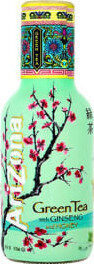
Green Tea With Ginseng And Honey
Halal Analysis
We recommend searching for certified Halal alternatives.
Pro Tip
Always double-check the label. Manufacturers change ingredients frequently without notice!