
Is Hazelnut Almond Dark Chocolate Granola Halal?
The short answer is: MAYBE. While Hazelnut Almond Dark Chocolate Granola is packed with wholesome ingredients like oats, almonds, and hazelnuts, there is one specific ingredient that prevents us from giving it a definitive 'Yes' without manufacturer confirmation. The issue lies in the processing of the vanilla extract, which is a common gray area in food science.
The Ingredient Breakdown
As a food scientist, I look at the chemistry of the ingredients rather than just the marketing on the box. When analyzing this granola for Halal compliance, we look for animal by-products, alcohol, and cross-contamination risks. Here is the breakdown of the specific ingredients in this granola:
Whole Grain Oats, Hazelnuts, Almonds, and Seeds: These are the stars of the show. Oats are botanically Halal. However, from a manufacturing standpoint, oats are frequently processed on equipment that also handles wheat. If this granola is not certified gluten-free, there is a high risk of cross-contamination with wheat, which is not an issue for Halal status but is for gluten sensitivity. The nuts and seeds are naturally Halal.
Semisweet Chocolate, Cocoa Butter, Soy Lecithin: The chocolate components are generally safe. Semisweet chocolate often contains milk fat, which is Halal, but makes it non-vegan. Soy lecithin is a plant-based emulsifier and is completely permissible.
The Flagged Ingredient: Vanilla Extract: This is the primary reason for the 'Maybe' verdict. Commercial vanilla extract is produced by soaking vanilla beans in a solution of water and ethyl alcohol. While the alcohol is used to extract flavor compounds, a small amount (usually 35%) remains in the bottle. In food science, we know that the alcohol does not fully cook off during baking. Strict Halal guidelines prohibit the consumption of alcohol, even in trace amounts found in extracts. Unless the manufacturer uses a glycerin-based or water-based extraction method, this ingredient is problematic.
Sugar and Syrups: Cane sugar, brown sugar, and brown rice syrup are the sweeteners. There is a historical concern regarding bone char filtration in cane sugar, but most large-scale granola manufacturers use granulated sugar that is not processed with bone char, or they use beet sugar. Given the mass-market nature of this product, the sugar is likely Halal, but the vanilla remains the hurdle.
Nutritional Value
From a nutritional standpoint, this granola is a calorie-dense energy food. A standard serving (roughly 1/2 cup) typically contains between 200 and 250 calories. The fat content is moderate to high, driven by the cocoa butter, almonds, and hazelnuts. These are largely unsaturated fats, which are heart-healthy, but they still contribute to the total caloric load.
The sugar content is the main nutritional flag. Between the cane sugar, brown sugar, and brown rice syrup, this product likely contains 10g to 15g of added sugar per serving. While this provides quick energy, it can spike blood glucose levels. It fits into a balanced diet as a breakfast option or a post-workout snack, but it is not a 'low sugar' food.
Frequently Asked Questions
Does Hazelnut Almond Dark Chocolate Granola contain dairy or gluten?
Is Hazelnut Almond Dark Chocolate Granola good for weight loss?
Where can I buy Hazelnut Almond Dark Chocolate Granola?
Is Hazelnut Almond Dark Chocolate Granola safe for kids?
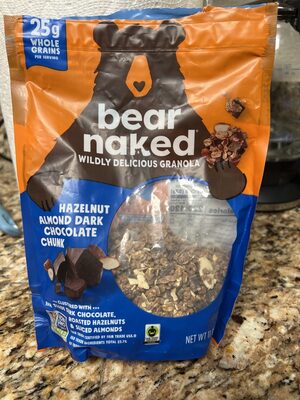
Hazelnut Almond Dark Chocolate Granola
Halal Analysis
We recommend searching for certified Halal alternatives.
Pro Tip
Always double-check the label. Manufacturers change ingredients frequently without notice!