
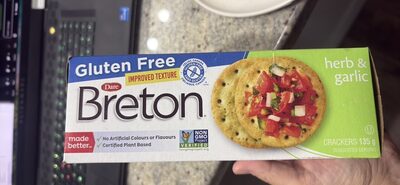
Is herb & garlic crackers Halal?
Yes, herb & garlic crackers are Halal. Based on a detailed analysis of the ingredient label, there are no animal-derived enzymes, alcohol, or pork by-products present. This makes them a suitable savory snack for those adhering to Halal dietary guidelines.
The Ingredient Breakdown
When determining if a processed snack like herb & garlic crackers is Halal, we must look beyond the flavor profile and examine the functional additives. The primary base of this product consists of Tapioca Flour and Corn Starch. Both are plant-based root and grain starches and are inherently Halal. The fats used are Canola Oil and Copra Oil (coconut oil), which are vegetable oils and permissible.
The most critical area for Halal verification in crackers is usually the emulsifiers and leavening agents. Here, we find Soya Lecithin, which is derived from soybeans and is Halal. The leavening agents listed are Sodium Bicarbonate and Ammonium Bicarbonate. While Ammonium Bicarbonate can sometimes be a concern if derived from animal sources, in modern food manufacturing, it is almost exclusively synthesized industrially. Without a 'animal source' specification, it is considered Halal by default standards.
Finally, the flavor and dairy components. The product contains Whey Powder (Petit-lait en poudre). Whey is a by-product of cheese making. While the cheese-making process can involve enzymes, the whey in crackers is typically a by-product of cheese made with microbial or vegetable rennet, or it is highly processed to the point where the source is negligible. There is no indication of animal rennet here. The Natural Flavor is generic, but in a savory cracker without meat claims, it usually refers to vegetable or spice extracts. Therefore, the ingredient profile is clean of Haram flags.
Nutritional Value
From a nutritional standpoint, herb & garlic crackers function similarly to other processed starch snacks. The primary ingredients are refined flours (tapioca and corn), which are high in carbohydrates and have a high glycemic index. This means they provide a quick burst of energy but can spike blood sugar levels if eaten in excess. The presence of Rice Bran adds a small amount of fiber, which aids in digestion, though the overall fiber content is likely low compared to whole-grain crackers.
Regarding fats, the crackers use Canola and Copra (Coconut) oils. Coconut oil is high in saturated fats, while Canola oil is primarily monounsaturated. The combination provides the crisp texture but contributes to the calorie density. The Sugar content is present but likely low in savory crackers; however, it is something to monitor for those on low-carb diets. Overall, these crackers are a calorie-dense snack best enjoyed in moderation as part of a balanced diet.
Frequently Asked Questions
Does herb & garlic crackers contain dairy or gluten?
Is herb & garlic crackers good for weight loss?
Where can I buy herb & garlic crackers?
Is herb & garlic crackers safe for kids?

Pro Tip
Always double-check the label. Manufacturers change ingredients frequently without notice!