
Is High protein baked bar Halal?
NO, the High protein baked bar is not Halal. While it packs a nutritional punch, a closer look at the ingredient list reveals a deal-breaker for those following Halal dietary guidelines. Specifically, the inclusion of gelatin makes this bar unsuitable for consumption.
The Ingredient Breakdown
When analyzing a processed food item like a protein bar, we must look beyond the marketing claims and inspect the source of every additive. In this case, the High protein baked bar presents a complex list of ingredients, but the verdict comes down to one specific component.
The primary issue is the inclusion of Gelatin. Gelatin is a protein obtained by boiling skin, tendons, ligaments, and/or bones with water. It is usually obtained from cows or pigs. In the context of Halal dietary laws, gelatin is permissible only if it is derived from animals slaughtered according to Islamic law. Since the source is not specified as Halal-certified beef or fish, it is assumed to be non-Halal, likely porcine (pork) or non-compliant beef.
Furthermore, the protein blend itself requires scrutiny. The bar contains Whey Protein Isolate and Whey Protein Concentrate. Whey is a byproduct of cheese manufacturing. The coagulation of milk to make cheese often uses enzymes; if these enzymes are not microbial or vegetable-based, they may be derived from animal rennet. While less critical than gelatin, strict Halal observers often look for certification to ensure no non-compliant enzymes were used in the dairy processing chain.
Finally, we see Sodium Caseinate, another milk derivative. While generally considered Halal if the milk is clean, in a product lacking certification, the lack of transparency regarding the processing aids used in its production is a red flag. Without a recognized Halal certification symbol on the packaging, the consumer cannot be certain that the manufacturing environment or the ingredients themselves meet the required standards.
Nutritional Value
Beyond the religious compliance, it is worth looking at the nutritional profile of this bar. It is designed as a high-protein supplement, likely containing around 20 grams of protein per serving, derived from a blend of Whey, Soy, and Milk proteins. This makes it an effective option for muscle recovery post-workout.
However, the caloric density is significant. To bind the bar and provide texture, the manufacturer uses a variety of oils including Palm Kernel oil and Soybean Oil, contributing to the fat content. Additionally, sweeteners like Sugar, Maltitol, and Sucralose are used. Maltitol is a sugar alcohol that can cause digestive distress in some individuals, while Sucralose is an artificial sweetener. While the bar fits a high-protein diet, the sugar alcohol and fat content might not align with strict low-carb or low-calorie weight loss goals.
Frequently Asked Questions
Does High protein baked bar contain dairy or gluten?
Is High protein baked bar good for weight loss?
Where can I buy High protein baked bar?
Is High protein baked bar safe for kids?
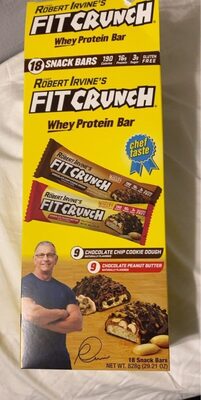
High protein baked bar
Halal Analysis
We recommend searching for certified Halal alternatives.
Pro Tip
Always double-check the label. Manufacturers change ingredients frequently without notice!