
Is Hoisin Sauce Vegan?
Is Hoisin Sauce vegan? The short answer is MAYBE. While this thick, savory condiment is largely plant-based, strict vegans need to be aware of two specific ingredients that can cause issues: the type of sugar used and the ambiguous 'natural flavor.' In this article, we will analyze the label to help you decide if this staple of Chinese cuisine fits your ethical diet.
The Ingredient Breakdown
When determining if a savory sauce like Hoisin is vegan, we have to look past the obvious vegetables and dig into the processing agents. Based on the specific ingredient list provided, here is the analysis of the key components.
The base of the sauce is a mixture of water, sugar, and molasses. While these seem harmless, the sugar is a major flag for strict vegans. In the United States, a significant portion of refined sugar is processed using bone char—ground animal bones—to bleach and purify it. Unless the manufacturer specifies that their sugar is organic, raw, or explicitly vegan, it is technically an animal product.
Next, we have the umami heavy hitters: miso and red wine vinegar. The miso listed here (water, soybeans, rice, salt, koji starter) is perfectly vegan. The koji starter (Aspergillus oryzae) is a fungus used in fermentation, not an animal product. However, red wine vinegar can sometimes be filtered using animal-derived fining agents like isinglass (fish bladder), though this is less common in mass-market sauces than in artisanal wines.
The thickening and flavoring agents include wheat flour, mustard flour, and ground sesame seeds. All of these are plant-derived. The spices are where things get interesting. The input data notes that the chili pepper contains ethoxyquin. Ethoxyquin is a synthetic antioxidant preservative, often used on produce (like chili peppers) to prevent spoilage during transport. It is a chemical additive, not an animal product, so it does not make the sauce non-vegan, but it is a controversial ingredient for health-conscious consumers.
Finally, we arrive at the most ambiguous ingredient: natural flavor. This is the industry catch-all term that can legally hide a multitude of ingredients. In savory sauces, 'natural flavor' can sometimes be derived from animal sources (like beef or chicken extracts) to enhance the savory profile. Without contacting the manufacturer directly, there is no way to know for sure if this specific Hoisin sauce uses plant-based or animal-based natural flavors.
Nutritional Value
From a nutritional standpoint, Hoisin sauce is best viewed as a condiment rather than a health food. It is designed to be a flavor powerhouse, which means it is calorie-dense and high in sugar. A typical serving contains a significant amount of carbohydrates, primarily from the sugar and molasses listed in the ingredients.
Regarding fat content, the presence of ground sesame seeds contributes a small amount of fat, but it is generally negligible per serving. The sodium content is usually moderate to high due to the salt in the miso and the overall seasoning, which is common for fermented sauces.
For those on a strict vegan diet, the nutritional value is secondary to the sourcing. However, if you are simply looking to manage your calorie intake, Hoisin sauce should be used sparingly. It fits into a balanced diet easily when used as a glaze or dipping sauce rather than a main ingredient.
Frequently Asked Questions
Does Hoisin Sauce contain dairy or gluten?
Is Hoisin Sauce good for weight loss?
Where can I buy Hoisin Sauce?
Is Hoisin Sauce safe for kids?


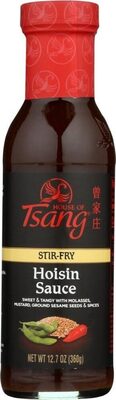
Hoisin Sauce
Vegan Analysis
We recommend searching for certified Vegan alternatives.
Pro Tip
Always double-check the label. Manufacturers change ingredients frequently without notice!