
Is Holland Red Cooking Wine Vegan?
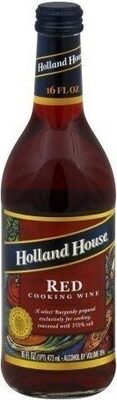
Yes, Holland Red Cooking Wine is considered vegan. This popular cooking staple relies on fermented grapes and standard preservatives, steering clear of animal-derived additives. Let's dive into the specific ingredients to confirm why this bottle is safe for your plant-based pantry.
The Ingredient Breakdown
To understand why Holland Red Cooking Wine fits a vegan lifestyle, we need to look at the four core components listed on the label. The process of making cooking wine is generally straightforward, involving fermentation and fortification, which rarely introduces animal products.
First, we have Wine. This is the base of the product, created by fermenting grape juice. While some winemakers use animal-based fining agents (like egg whites, casein, or gelatin) to clarify the wine, the specific agents used in cooking wines are often proprietary or not disclosed. However, because cooking wine is a lower-tier product compared to premium table wines, it is less likely to use expensive animal fining agents. Furthermore, the strict filtration processes required for shelf-stability usually result in a clear product without residual animal traces.
The second ingredient is Salt. Sodium chloride is a mineral, harvested from the earth or sea. It is 100% vegan and is added to cooking wine to raise the sodium content, making it unpalatable as a beverage and classifying it differently for grocery store regulations (often allowing sale to minors).
Third, we see Potassium Sorbate. This is a synthetic preservative derived from potassium and sorbic acid. It is used to inhibit mold and yeast growth, extending the shelf life of the wine once the bottle is opened. It is synthesized in a lab and is not an animal product.
Finally, Potassium Metabisulfite is listed. This acts as an antioxidant and preservative, preventing the wine from oxidizing (turning brown) and spoiling. It is a sulfur-based compound that is vegan-friendly.
The Verdict: None of these ingredients are derived from animals. There is no gelatin, milk powder, honey, or hidden animal enzymes in this specific formulation.
Nutritional Value
While Holland Red Cooking Wine is vegan, it is important to treat it as a condiment rather than a health food. Because it is designed for flavoring sauces and stews, the nutritional profile is dominated by sodium.
A standard serving contains a significant amount of calories derived almost entirely from the alcohol in the wine base. However, the most critical number to watch is the sodium content. Cooking wines are fortified with salt, often containing over 600mg of sodium per tablespoon. This can quickly cause you to exceed daily recommended limits, especially if you are adding it to broths, soy sauce, or canned soups that are already high in salt.
Regarding sugar, cooking wine generally has a low residual sugar content, though this varies by brand. It fits into low-carb diets in small quantities, but the sodium remains the primary dietary concern. If you are monitoring blood pressure or fluid retention, you should use this product sparingly or seek out salt-free wine alternatives.
Frequently Asked Questions
Does Holland Red Cooking Wine contain dairy or gluten?
Is Holland Red Cooking Wine good for weight loss?
Where can I buy Holland Red Cooking Wine?
Is Holland Red Cooking Wine safe for kids?



Pro Tip
Always double-check the label. Manufacturers change ingredients frequently without notice!