
Is Honey barbecue wing sauce Vegan?
No, Honey barbecue wing sauce is not considered vegan. The verdict is definitive due to the presence of honey, an animal-derived product. While the sauce lacks obvious meat or dairy products, the inclusion of honey places it strictly outside vegan dietary guidelines.
The Ingredient Breakdown
When analyzing the ingredients of Honey barbecue wing sauce, the vegan status hinges almost entirely on a single component. As a food scientist, I look at the origin of every additive to determine its suitability for specific diets. Here is the detailed breakdown of why this sauce fails the vegan test.
The primary non-vegan ingredient is honey. Honey is produced by bees for their own nourishment. Strict vegans avoid honey because it is an animal product, similar to how they avoid meat, dairy, and eggs. The harvesting of honey is viewed as an exploitation of the labor of living creatures. Therefore, despite being plant-based in texture, honey renders the sauce non-vegan.
However, there are other ingredients that warrant attention. The sauce contains natural flavor. This is a common catch-all term that can sometimes hide animal-derived compounds, such as beef extract or dairy solids, though in a BBQ sauce context, it is often derived from vegetable sources to create a savory profile. Without specific manufacturer disclosure, it remains a gray area for strict vegans, but the honey is the definitive disqualifier.
Additionally, the sauce includes sodium benzoate and caramel color. Sodium benzoate is a synthetic preservative that is generally considered vegan. However, the caramel color is a plant-derived product, but its processing can sometimes involve bone char (animal bone char) to decolorize sugar, though this is more common in granulated sugar than in liquid caramel color. Finally, the presence of pineapple juice concentrate and tamarind provides the sweet and sour notes typical of BBQ sauces, both of which are strictly plant-derived.
Nutritional Value
From a nutritional standpoint, Honey barbecue wing sauce is a high-sugar, low-nutrient condiment. The ingredient list is dominated by sweeteners, starting with High fructose corn syrup, followed by corn syrup, sugar, and honey. This combination results in a very high glycemic load, which can cause rapid spikes in blood sugar levels.
Regarding calories and fat, this sauce is relatively low in fat, which is typical for vinegar-based sauces. However, a standard serving size (usually two tablespoons) can contain anywhere from 60 to 100 calories, almost entirely from carbohydrates (sugar). It fits into a diet only if used sparingly, as the sugar content can quickly exceed daily recommended limits. It is not a 'free' food, even for non-vegans monitoring their sugar intake.
Frequently Asked Questions
Does Honey barbecue wing sauce contain dairy or gluten?
Is Honey barbecue wing sauce good for weight loss?
Where can I buy Honey barbecue wing sauce?
Is Honey barbecue wing sauce safe for kids?
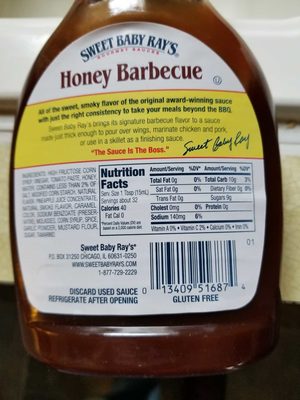
Honey barbecue wing sauce
Vegan Analysis
We recommend searching for certified Vegan alternatives.
Pro Tip
Always double-check the label. Manufacturers change ingredients frequently without notice!