
Is Honey & Dijon Dressing Halal?
No, Honey & Dijon Dressing is generally not considered Halal. While the sweet and tangy flavor profile is appealing, a closer look at the ingredient label reveals a specific component that violates strict dietary guidelines. This article explains exactly why this popular dressing fails the Halal test and offers a compliant alternative.
The Ingredient Breakdown
When evaluating a product for Halal compliance, we must look beyond the main flavors and scrutinize every component. In the case of Honey & Dijon Dressing, the primary ingredients like canola oil, water, honey, and vinegar are generally considered Halal. However, the complexity arises in the flavoring agents and preservatives.
The specific red flag in this product is the white wine listed within the Dijon mustard ingredient. Dijon mustard is traditionally made with verjuice (unripe grapes) or white wine to achieve its characteristic sharpness and smooth texture. In food science, this is a standard method to balance the pungency of mustard seeds. However, from a Halal perspective, alcohol (which is present in wine) is strictly prohibited (Haram). Even if the alcohol content is low or used as a processing agent, the inclusion of wine renders the entire product non-compliant for many observers.
Additionally, while modified tapioca starch and xanthan gum are excellent thickeners derived from plant sources, and turmeric provides natural color, the presence of the wine overrides the Halal status of these benign ingredients. Therefore, despite the absence of pork or animal by-products, the dressing cannot be certified Halal.
Nutritional Value
From a nutritional standpoint, Honey & Dijon Dressing is a moderate-calorie condiment. A typical serving contains around 60-80 calories, derived mostly from the canola oil and sugar. The fat content is relatively low compared to creamy dressings like ranch, making it a lighter option for salads.
The sweetness comes from a combination of honey and sugar, which contributes to the carbohydrate count. While it fits within standard diet limits for a condiment, individuals monitoring their sugar intake should be mindful, as the sugar content can add up quickly if used generously. It is a heart-healthier choice than saturated-fat-heavy dressings, but the sugar and sodium levels (from salt and mustard) mean it should still be consumed in moderation.
Frequently Asked Questions
Does Honey & Dijon Dressing contain dairy or gluten?
Is Honey & Dijon Dressing good for weight loss?
Where can I buy Honey & Dijon Dressing?
Is Honey & Dijon Dressing safe for kids?

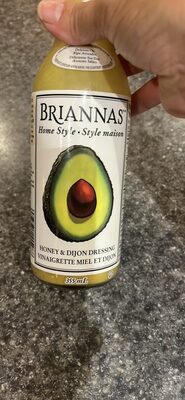
Honey & Dijon Dressing
Halal Analysis
We recommend searching for certified Halal alternatives.
Pro Tip
Always double-check the label. Manufacturers change ingredients frequently without notice!