
Is Hummus Keto?
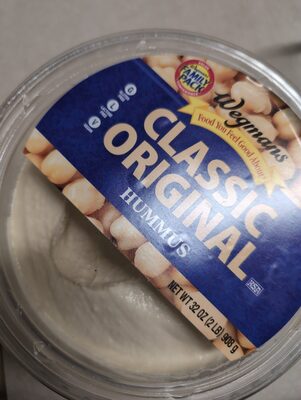
Yes, hummus can be keto-friendly, but it requires strict portion control. While the primary ingredient, chickpeas, contains carbohydrates, the high fat content from olive oil and tahini makes it a good candidate for a low-carb lifestyle if managed correctly. Here is the detailed breakdown of how to fit this Middle Eastern dip into your ketogenic diet without breaking your carb limit.
The Ingredient Breakdown
To determine if hummus fits a ketogenic diet, we must look at the source of the carbohydrates. The primary ingredient in the product analyzed is Chickpeas. Chickpeas are legumes, and like most legumes, they contain starch. Starch is a complex carbohydrate that can spike blood sugar if eaten in large quantities. However, the glycemic impact of chickpeas is lower than that of refined grains, provided you stick to a small serving size.
The saving grace for this recipe is the inclusion of high-fat ingredients. Tahini (ground sesame seeds) and Olive Oil are both staples of the keto diet. They provide healthy fats with zero to negligible carbohydrates. These ingredients lower the overall carb-to-fat ratio of the dip, making it more metabolically favorable for ketosis than a pure chickpea mash would be.
We also see Garlic and Citric Acid in the ingredient list. Garlic contains inulin, a prebiotic fiber, but it also has trace carbs. In the small amounts used for flavoring, garlic is generally acceptable on keto. Citric Acid is used for preservation and flavor balancing and has no impact on carbohydrate counts. The recipe analyzed contains no added sugars, which is a common pitfall in store-bought hummus varieties.
Nutritional Value
When evaluating hummus for keto, the macro breakdown is everything. A standard serving of two tablespoons typically contains roughly 2 to 4 grams of net carbohydrates. This fits well within the strict keto limit of 20 grams of net carbs per day, provided you measure your serving rather than estimating. The fat content is usually high, often ranging from 5 to 8 grams per serving, which helps you meet your daily fat macro goals.
However, the calorie density of hummus is significant due to the olive oil and tahini. While calories aren't the primary focus of keto, they still matter for weight loss. If you are using hummus as a dip for high-carb items like pita bread or carrots, the carb count will quickly exceed the keto threshold. The nutritional value of this specific product is clean—there are no hidden fillers like potato starch or added dextrose, which are sometimes used in cheaper brands to bulk up the volume.
Frequently Asked Questions
Does Hummus contain dairy or gluten?
Is Hummus good for weight loss?
Where can I buy Hummus?
Is Hummus safe for kids?

Pro Tip
Always double-check the label. Manufacturers change ingredients frequently without notice!